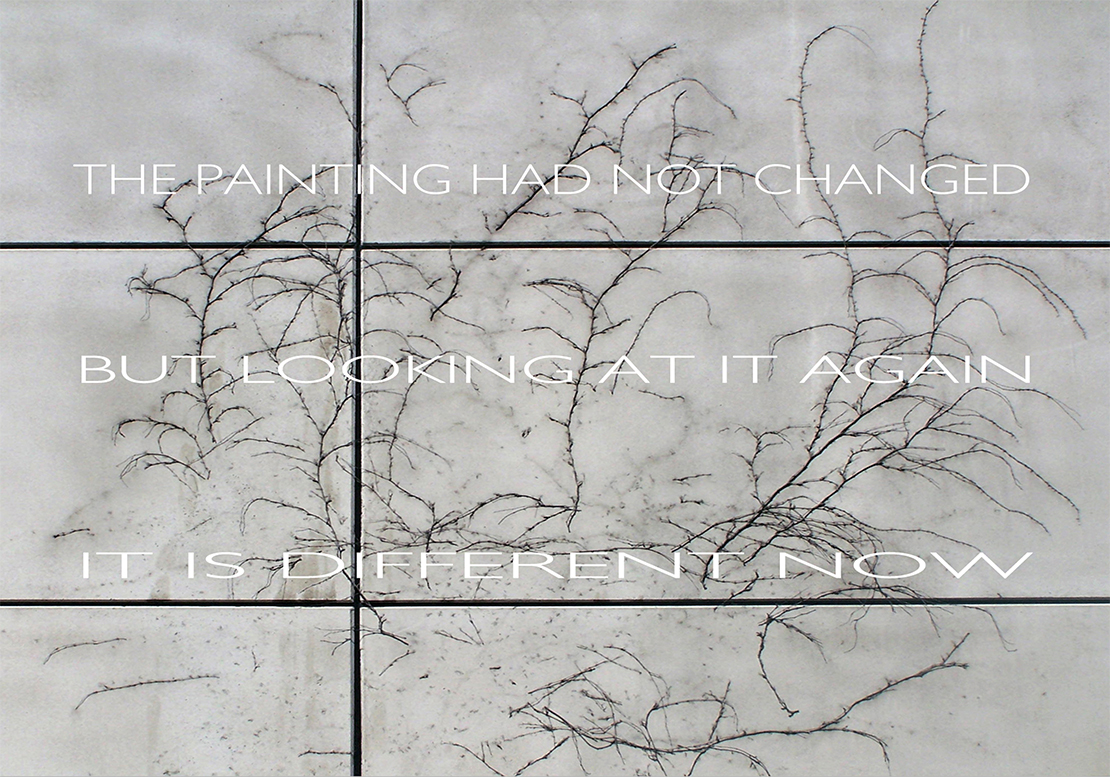
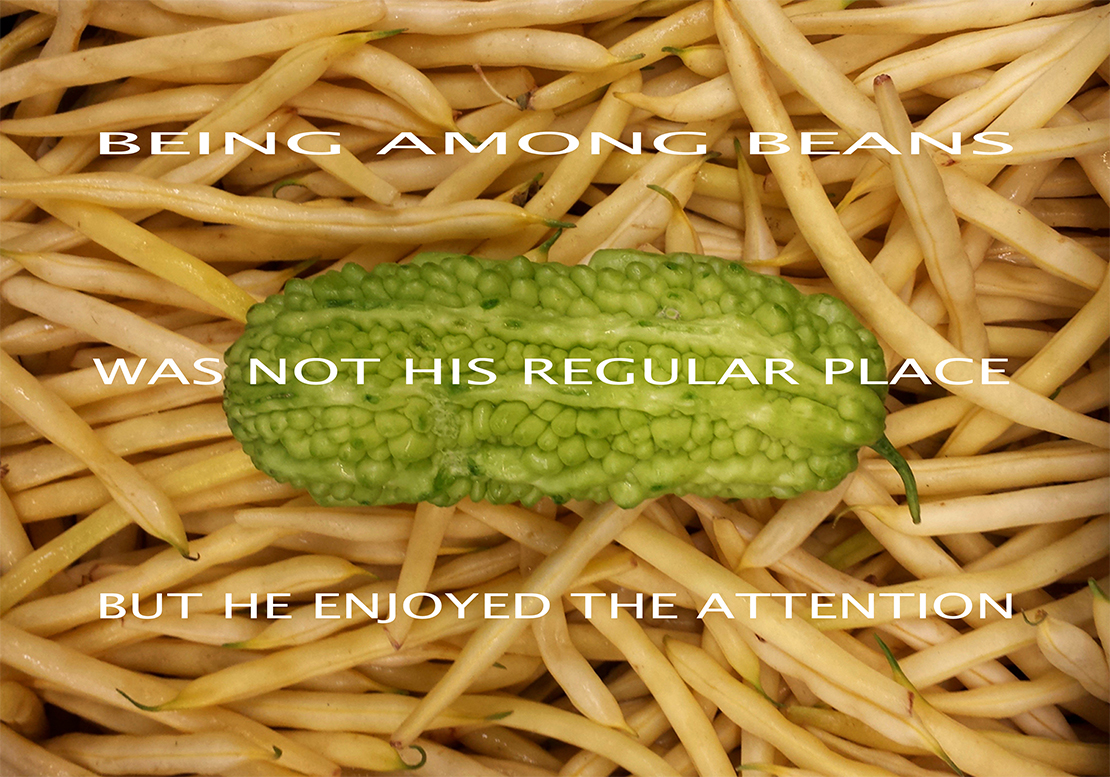
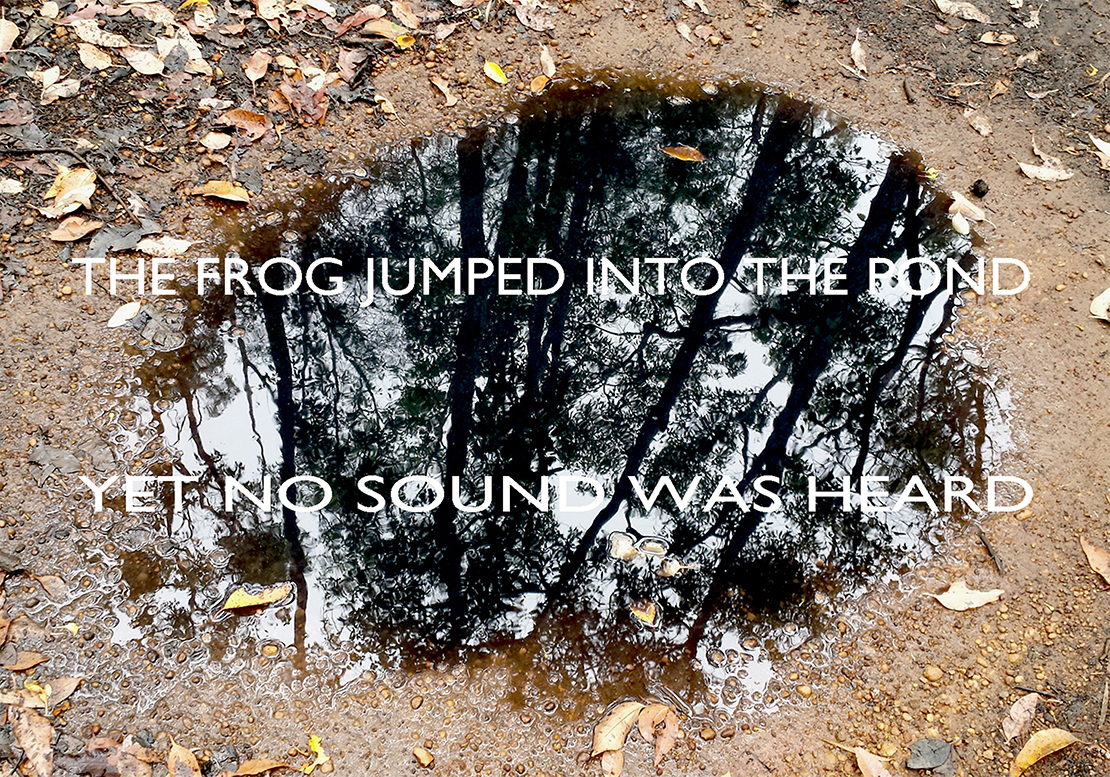
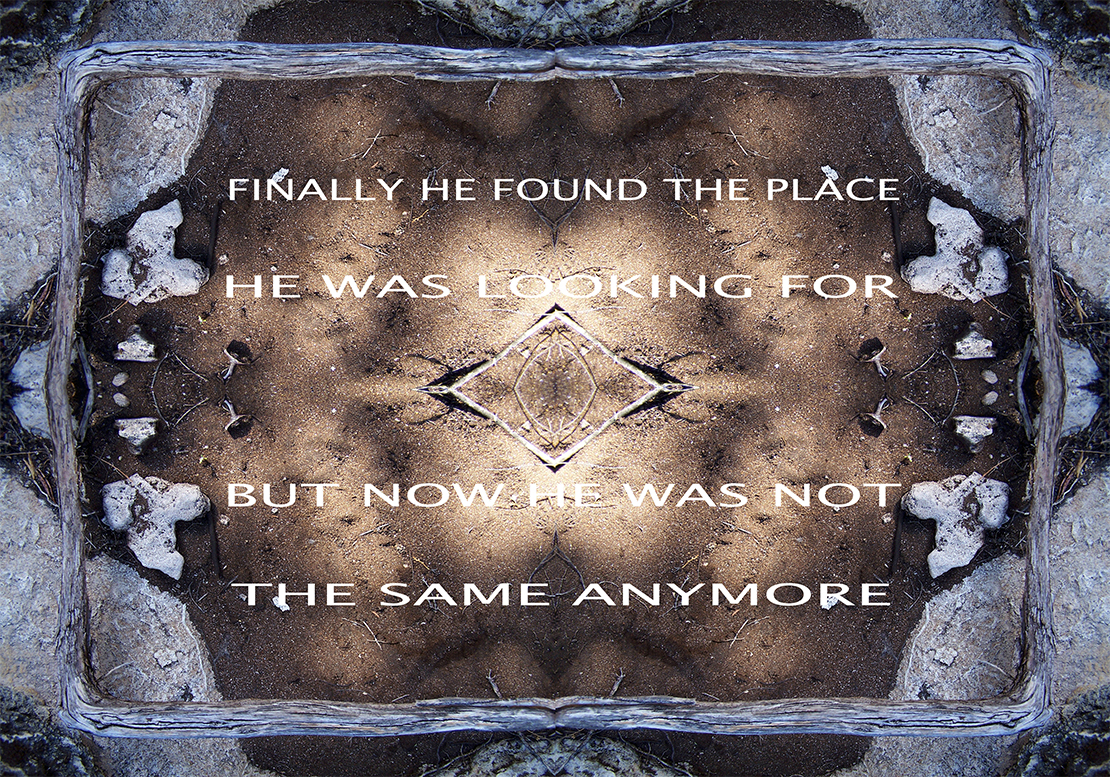
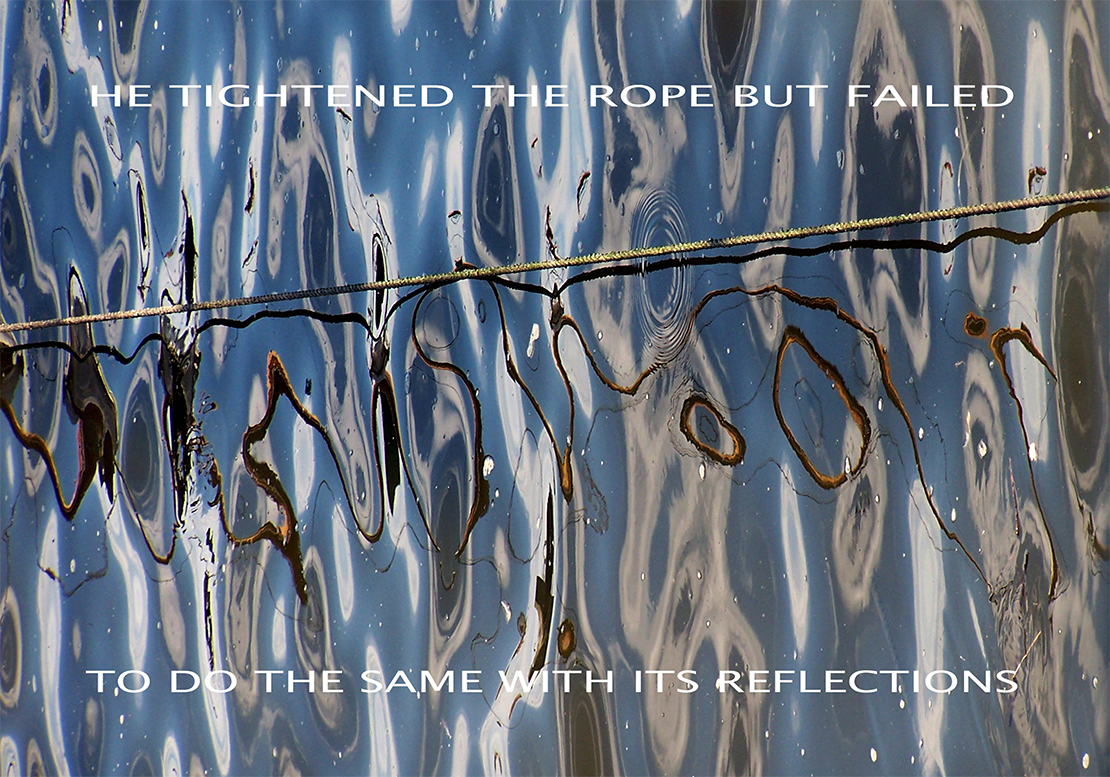
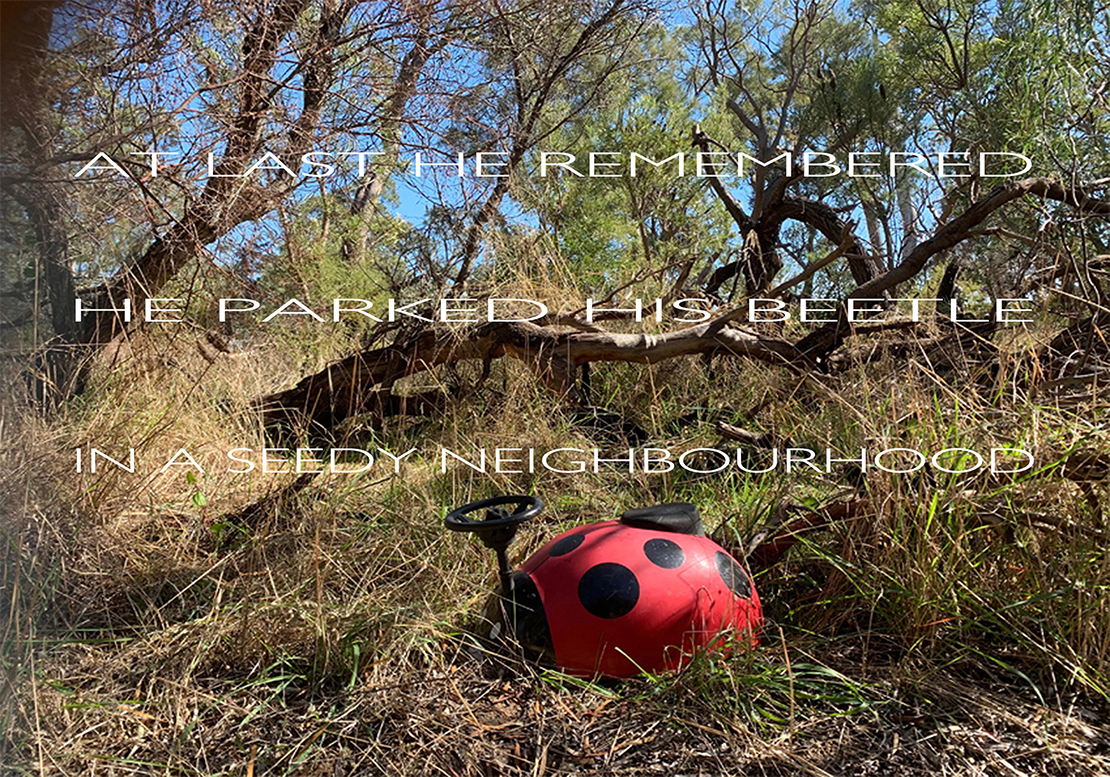
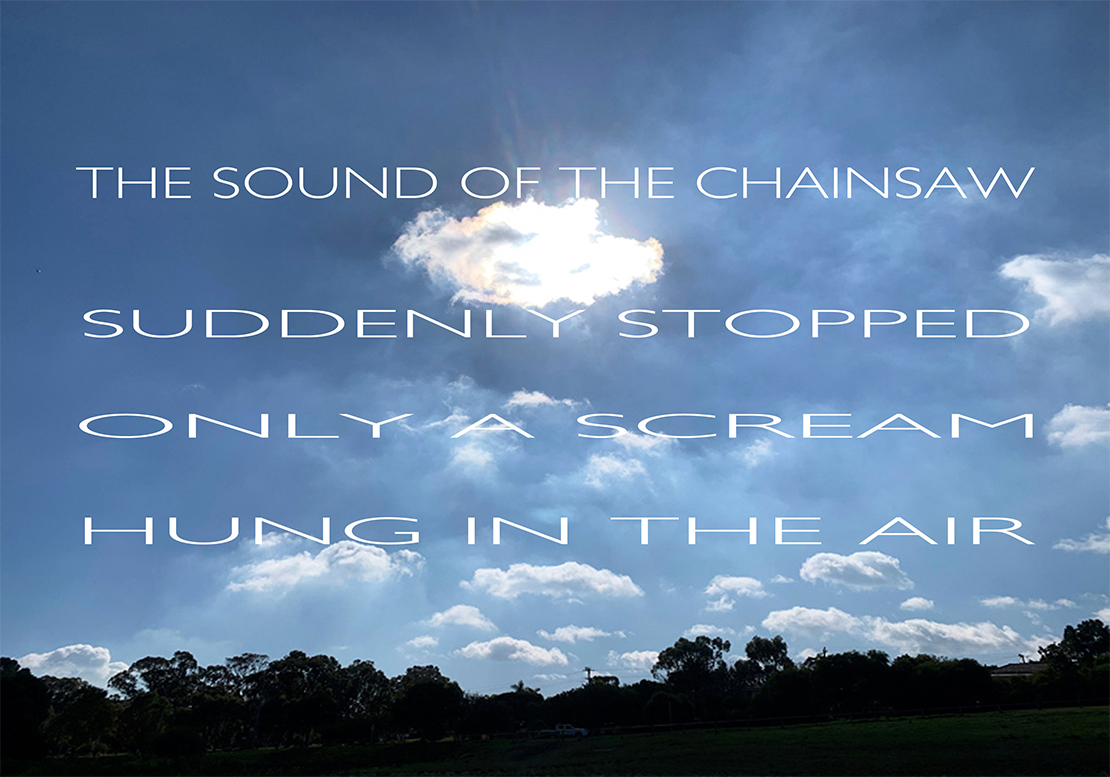
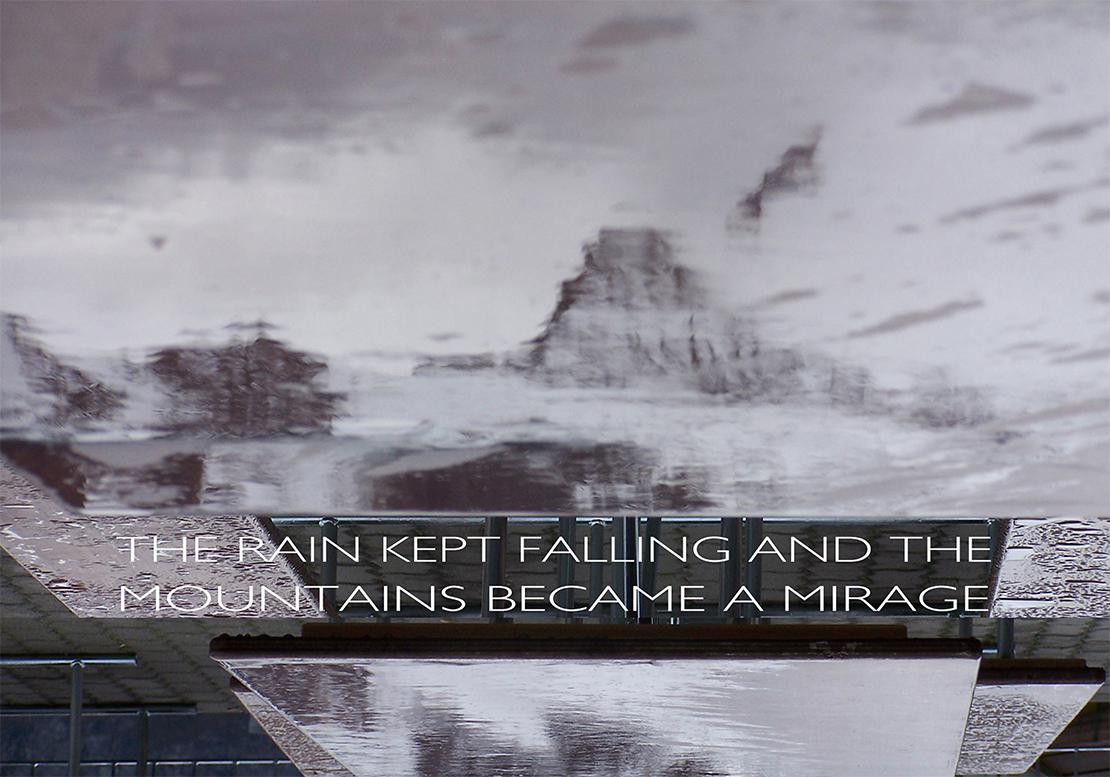
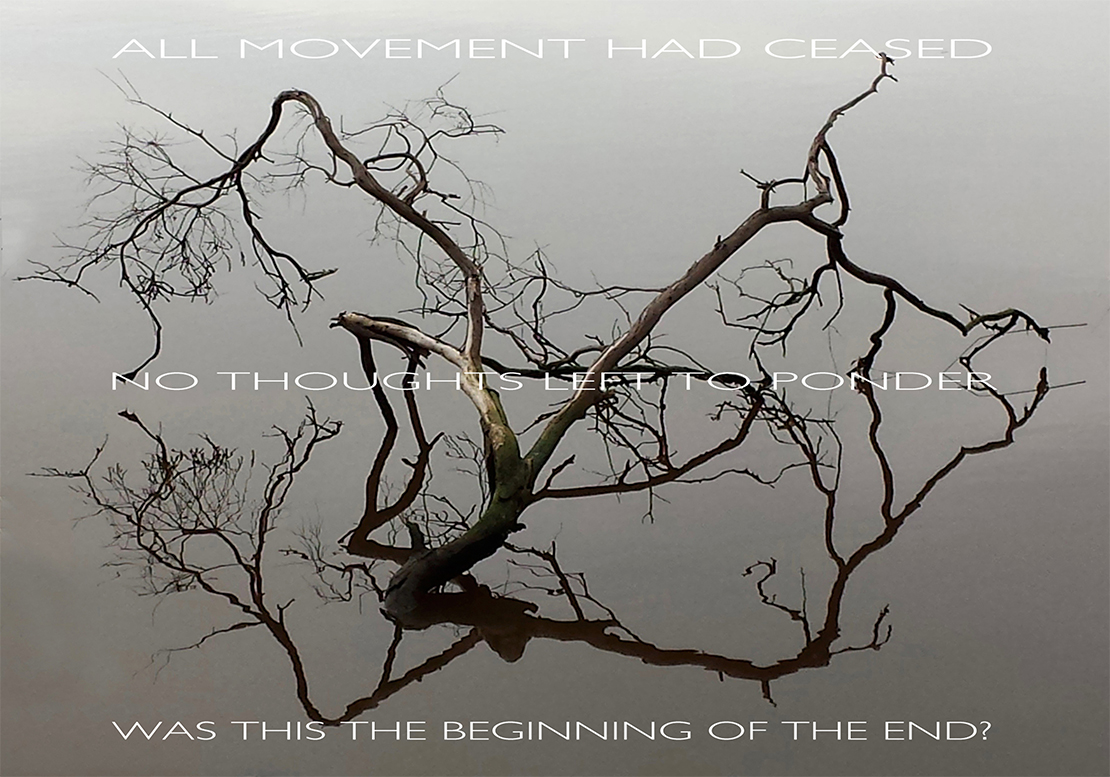
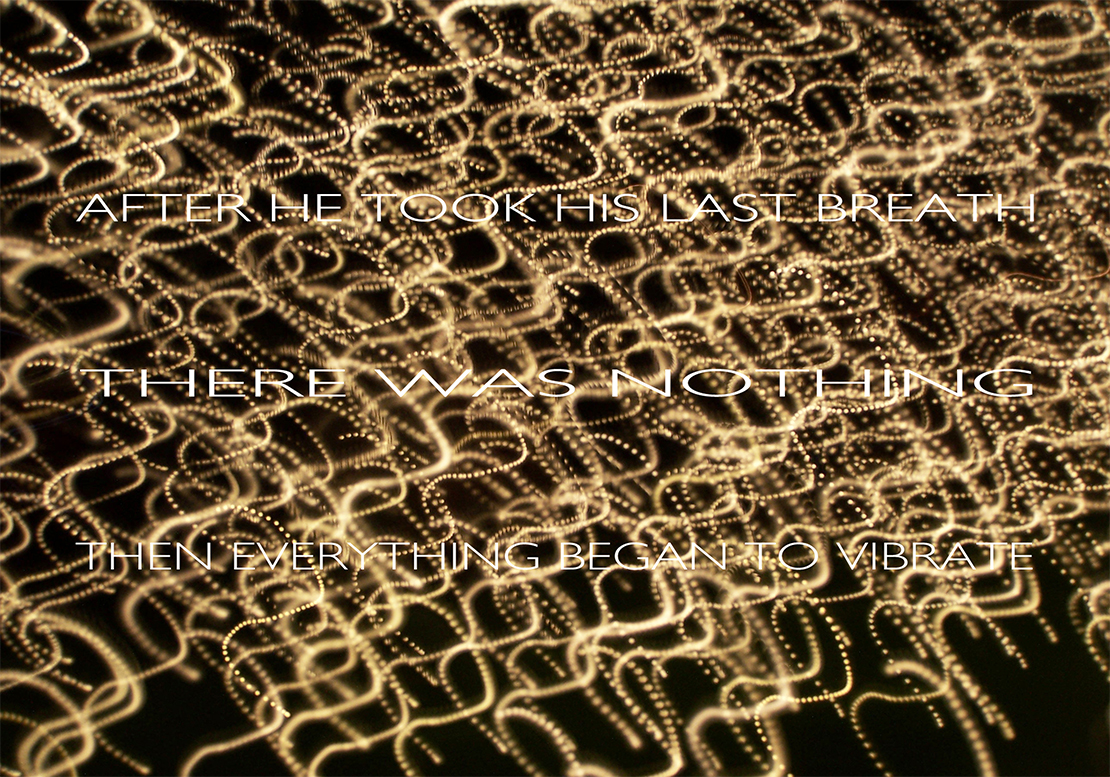
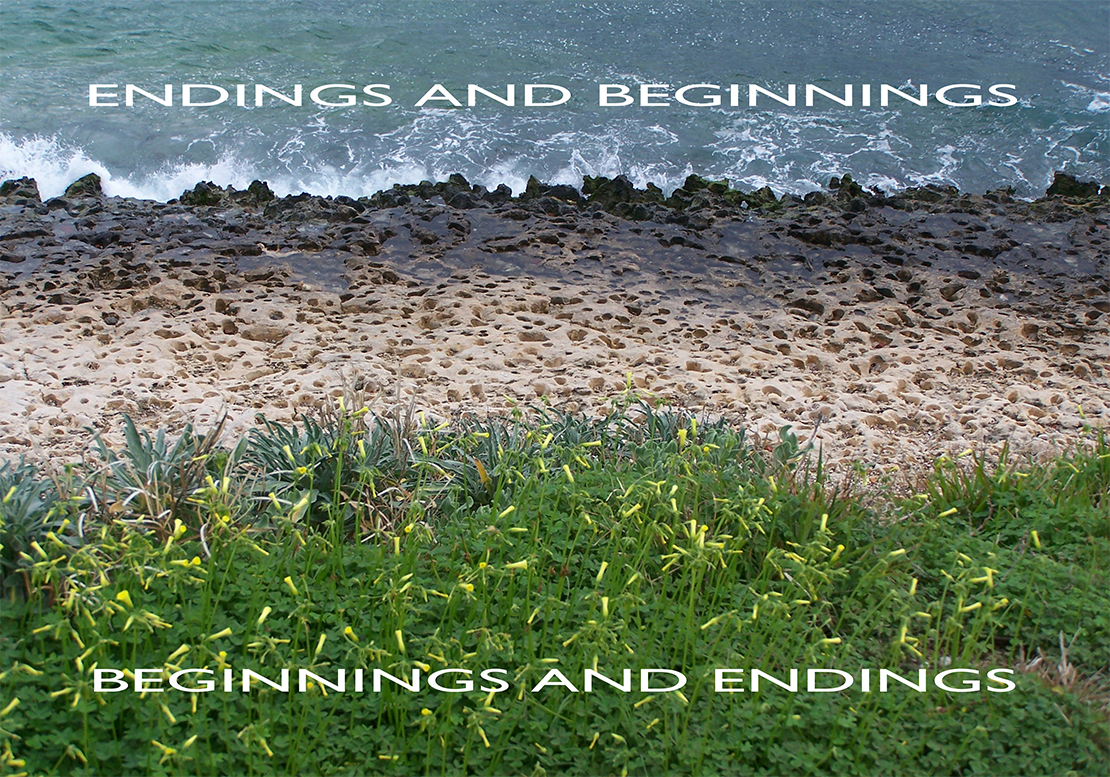
My continued interest in collage and the combination of unrelated elements has been an important factor in the production of this publication. By bringing together components from different contexts the results are often surprising, humorous and intriguing. They frequently transcend common sense and challenge our reverence for reason.
In 1959 Brion Gysin and William S. Burroughs developed the Cut Up method in which they literally cut up passages of their own and other people’s writings only to paste them back together at random. This practice proved to be for literature what collage had been for visual art. Such strategies are helpful in going beyond the rational and open possibilities for new narratives.
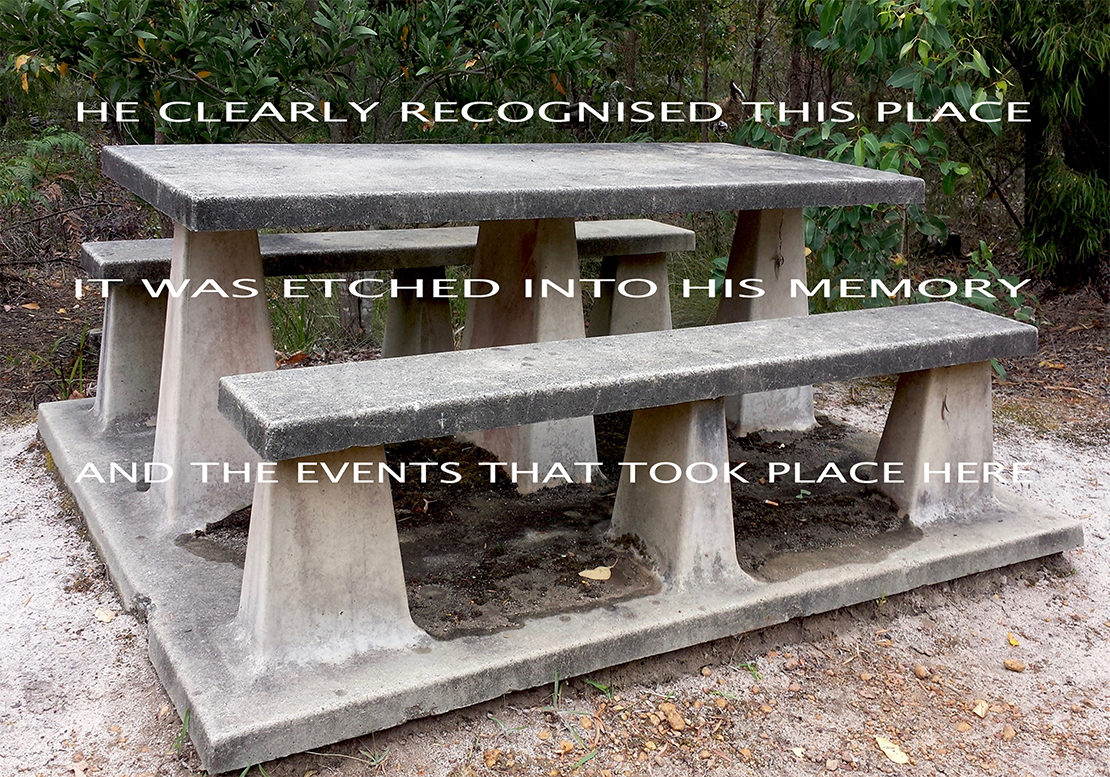
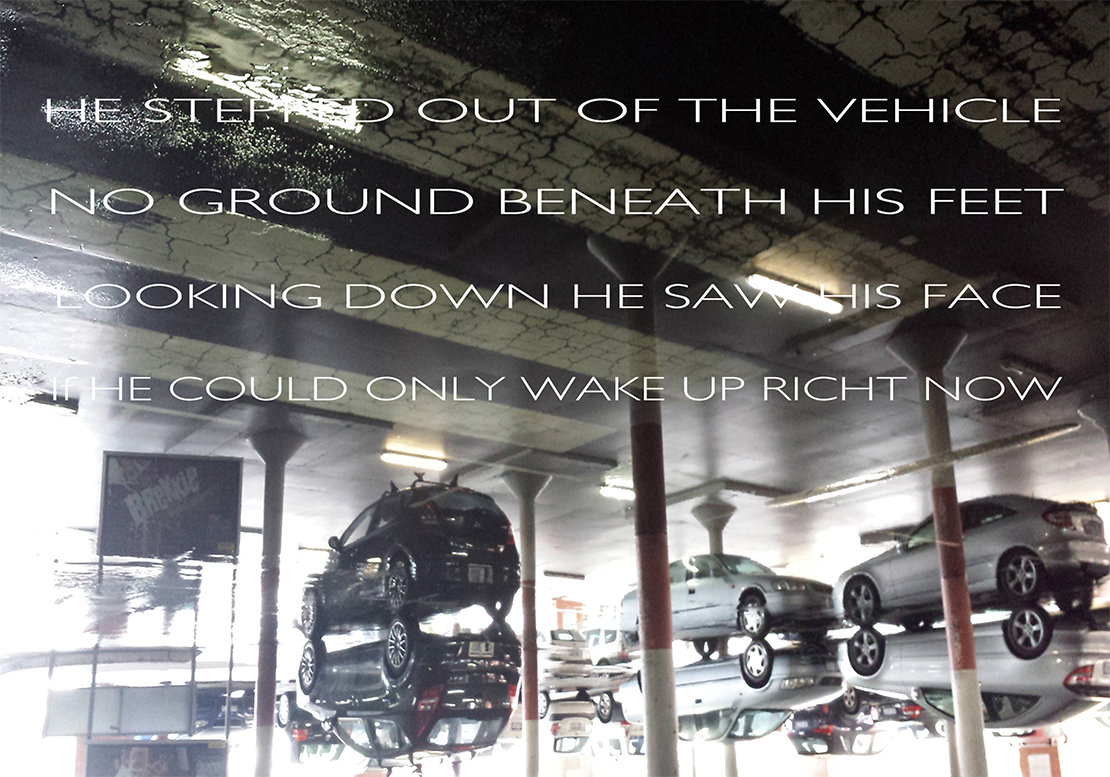
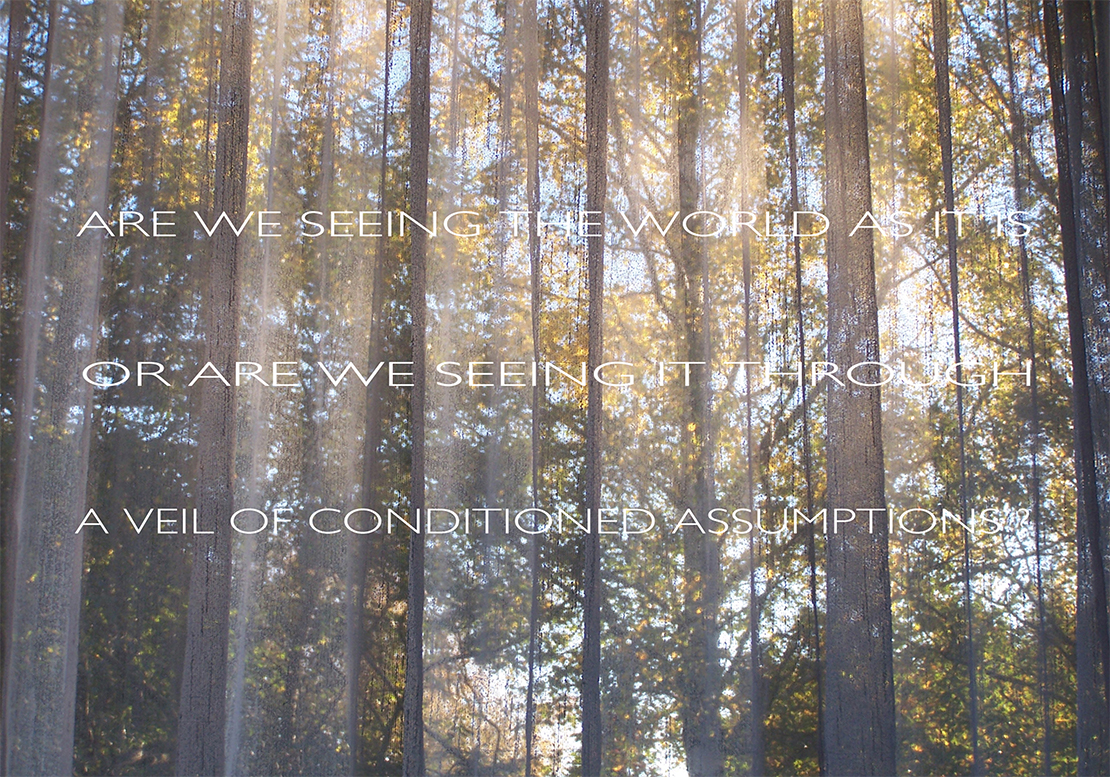
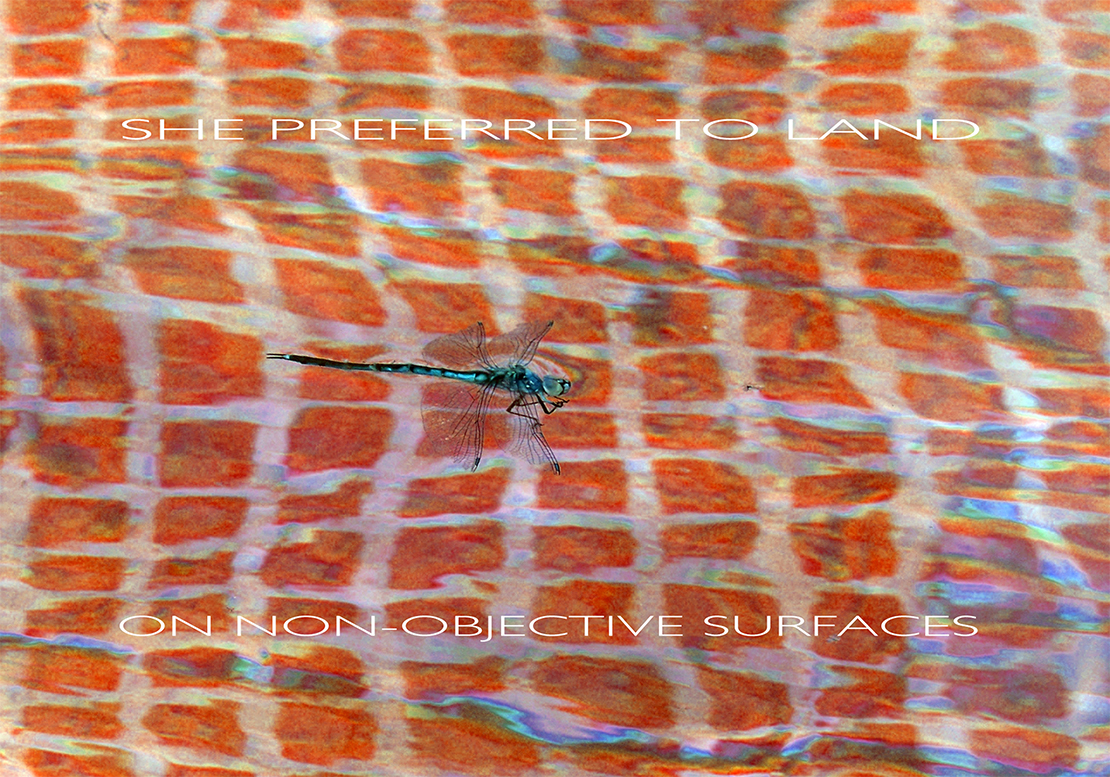
I experimented with this approach in my previous collections of collages such as Symphony of Contradictions, 2018; This and That, 2019; Delirium 2019 and Alternative Facts, 2020. In Captions, I am juxtaposing for the first time photographs with text.
It all began with me trying to sit still in order to calm my mind every morning. Instead of emptying my mind, whole sentences implying various scenarios arose spontaneously. I was surprised at the intensity of the imagery these few words evoked. Some have a haiku-like quality without adhering to the rigid structure of the Haiku. I kept a record of what I could remember.
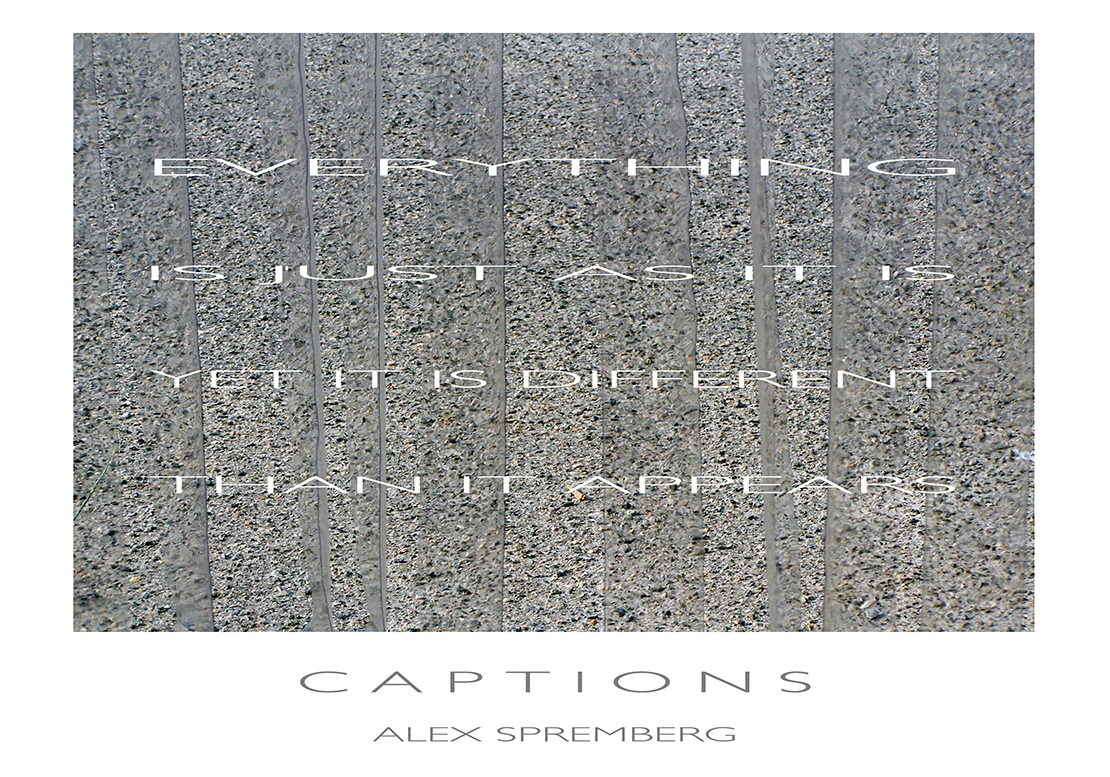
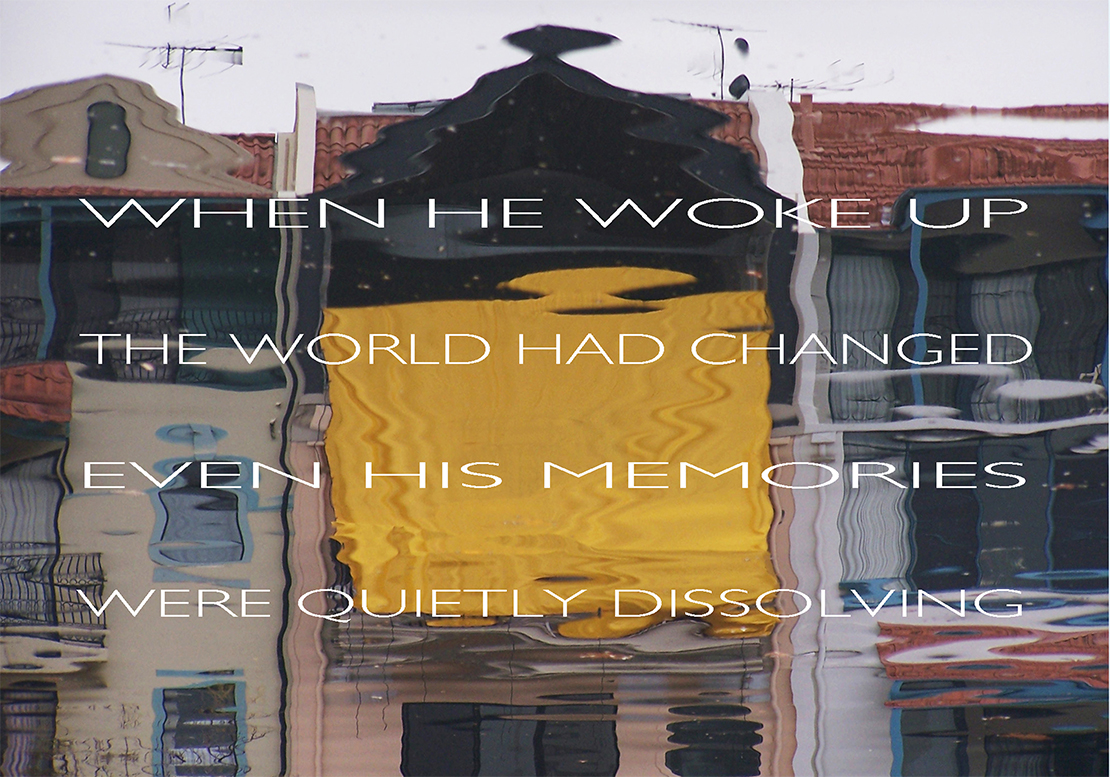
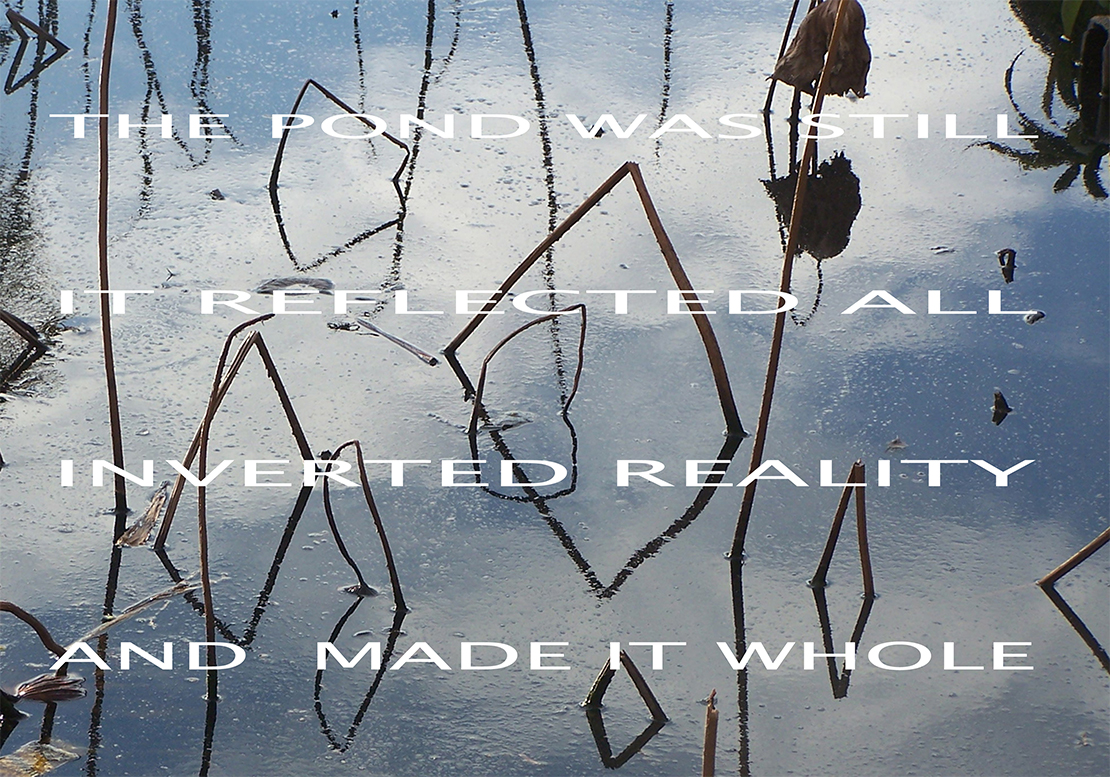
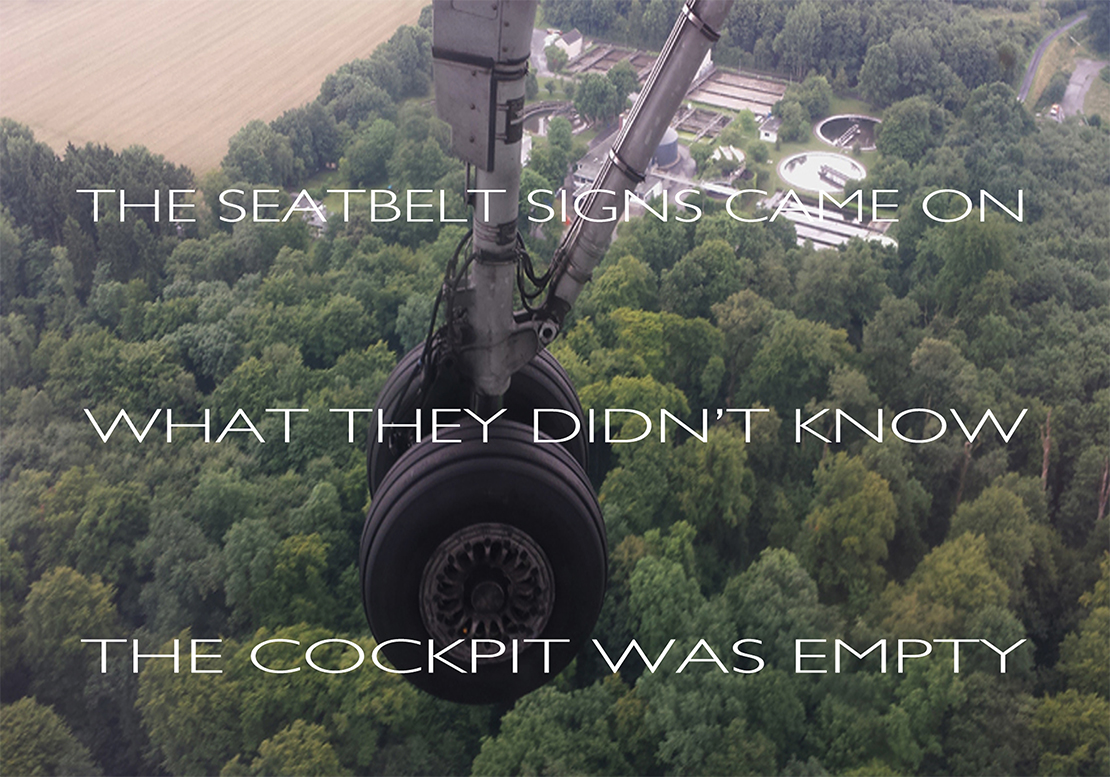
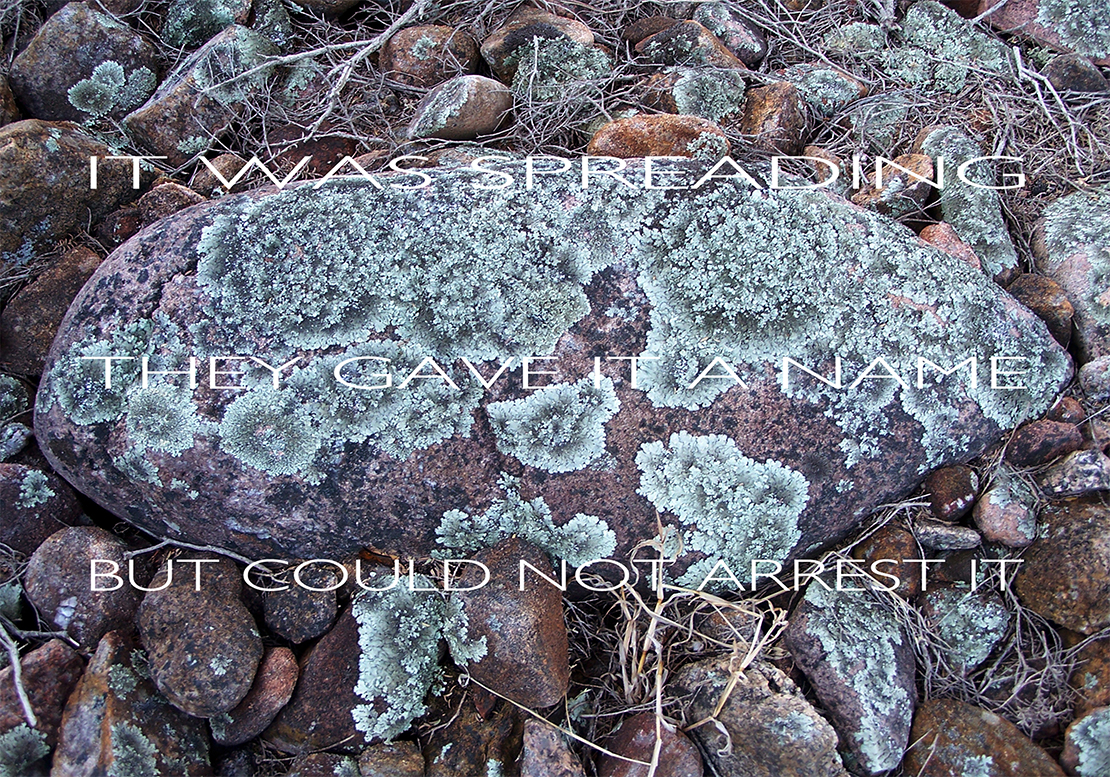
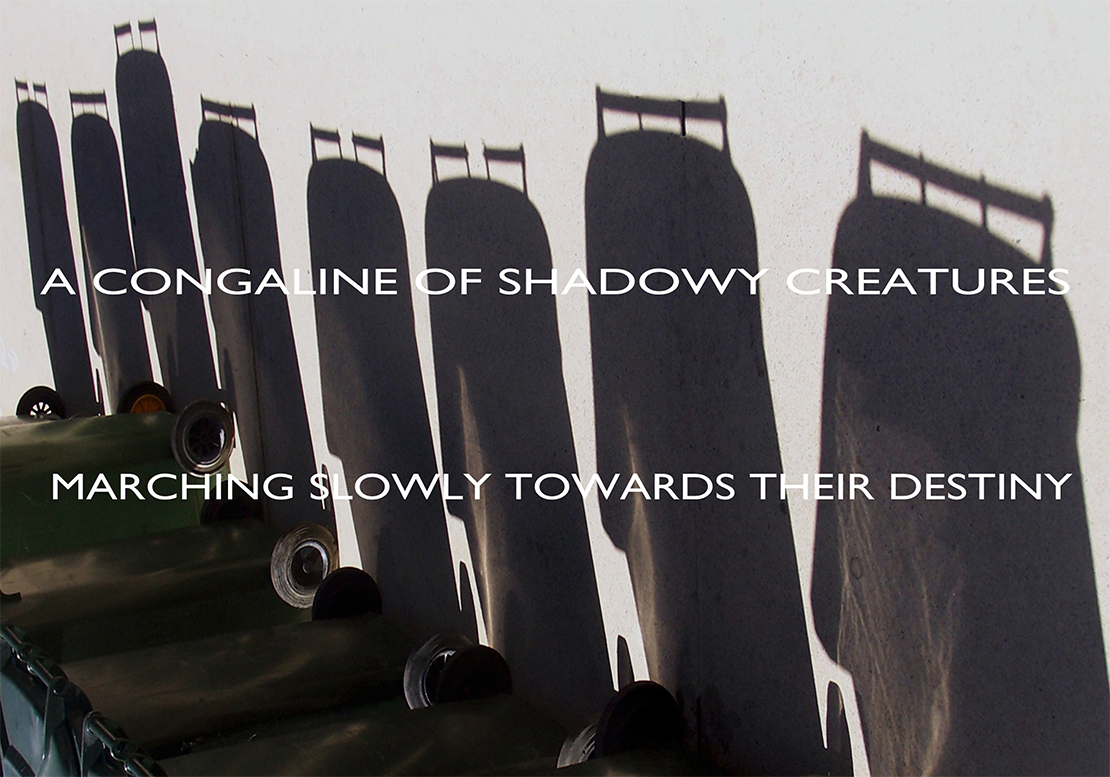
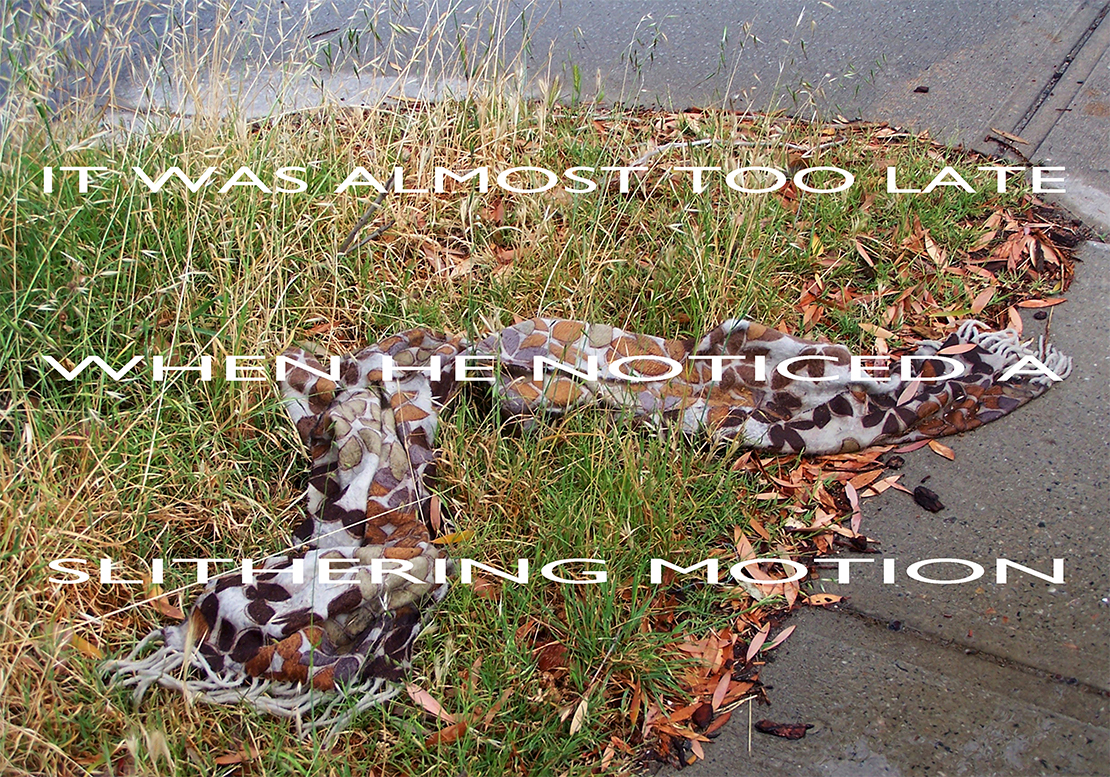
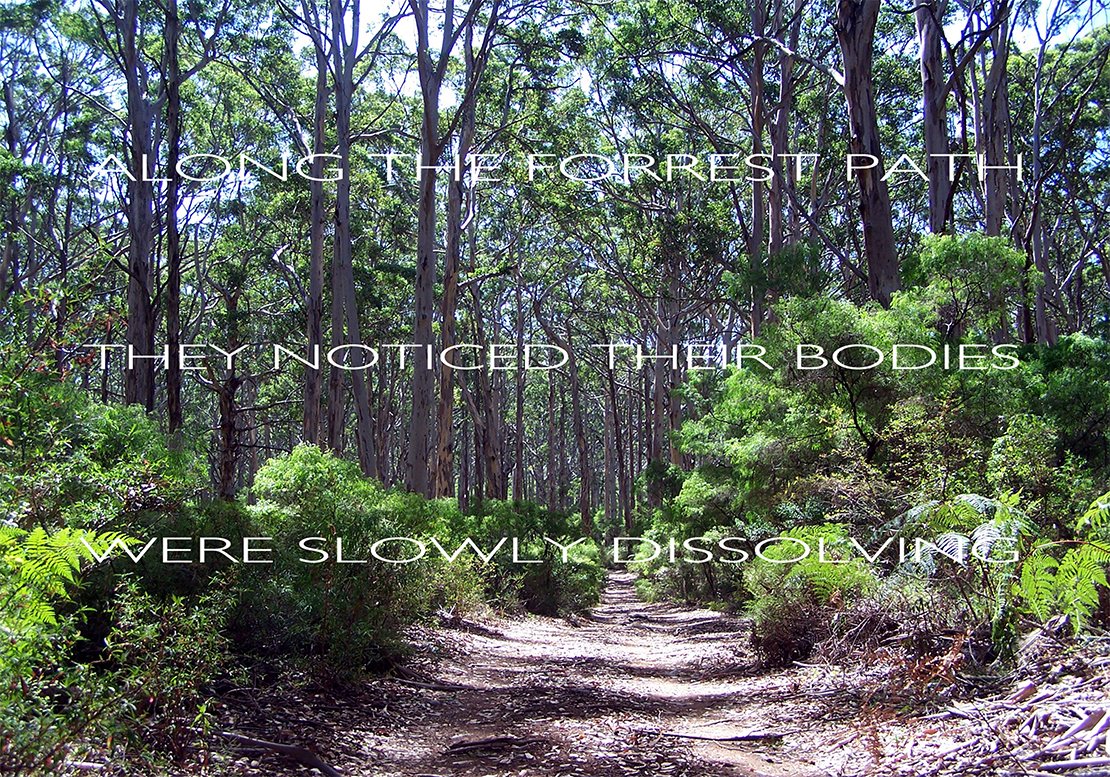
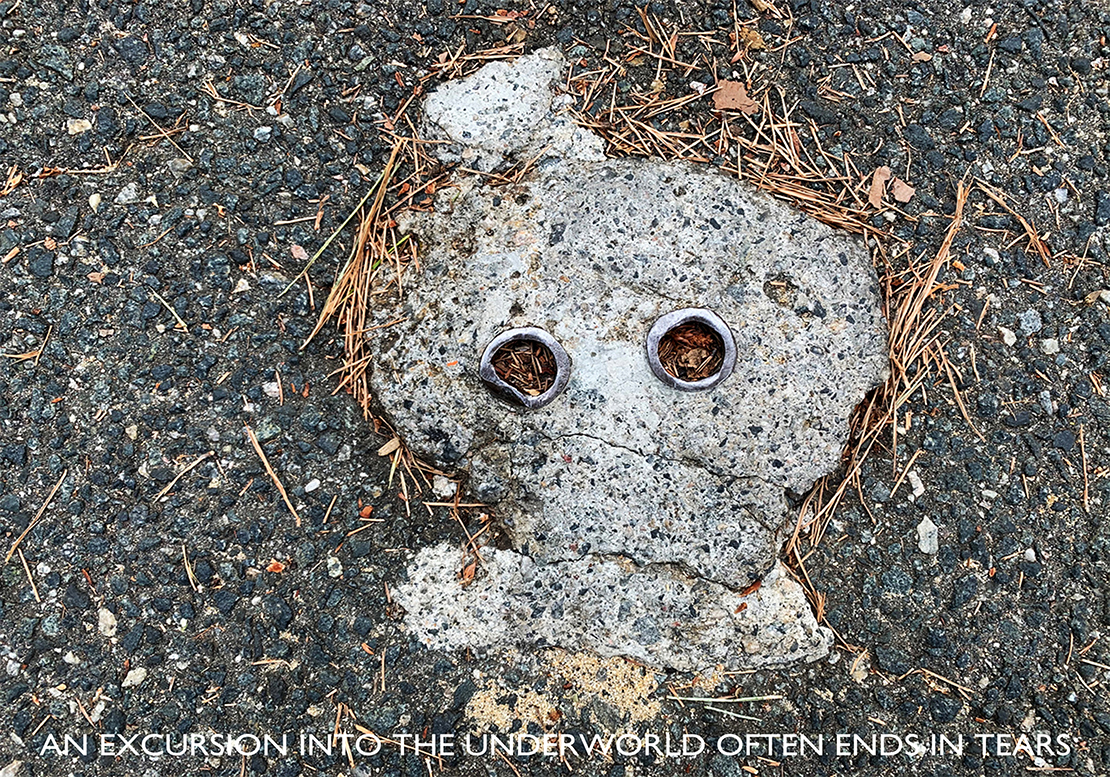
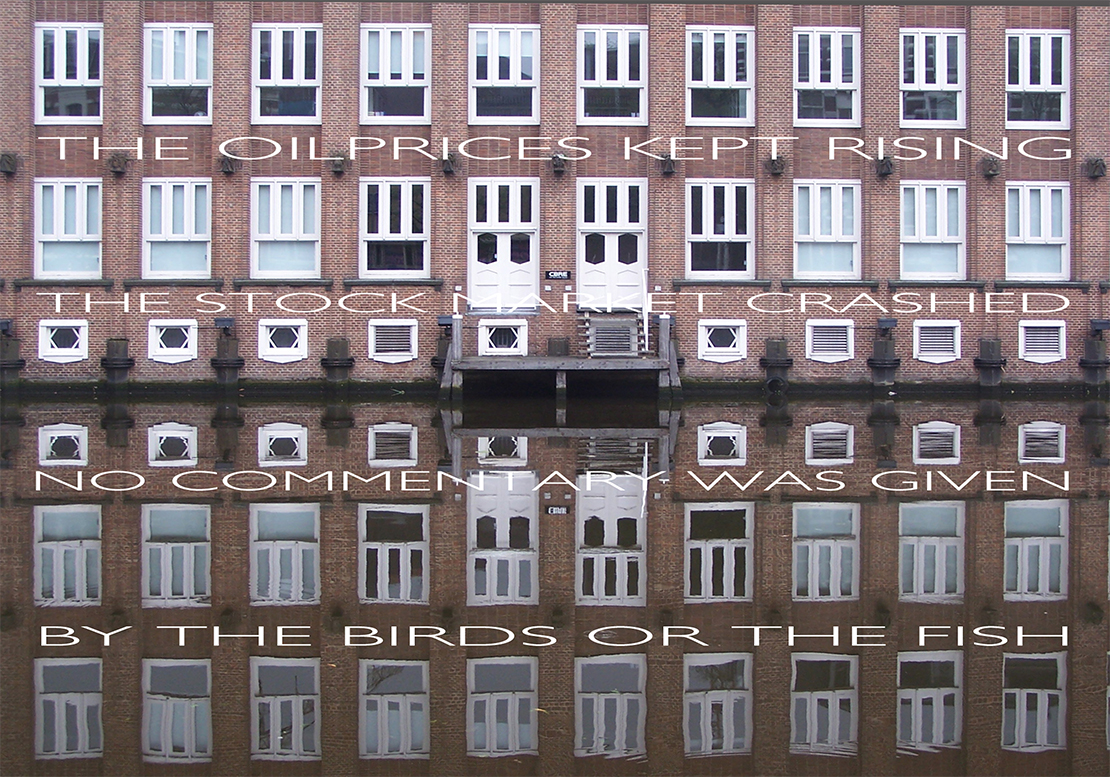
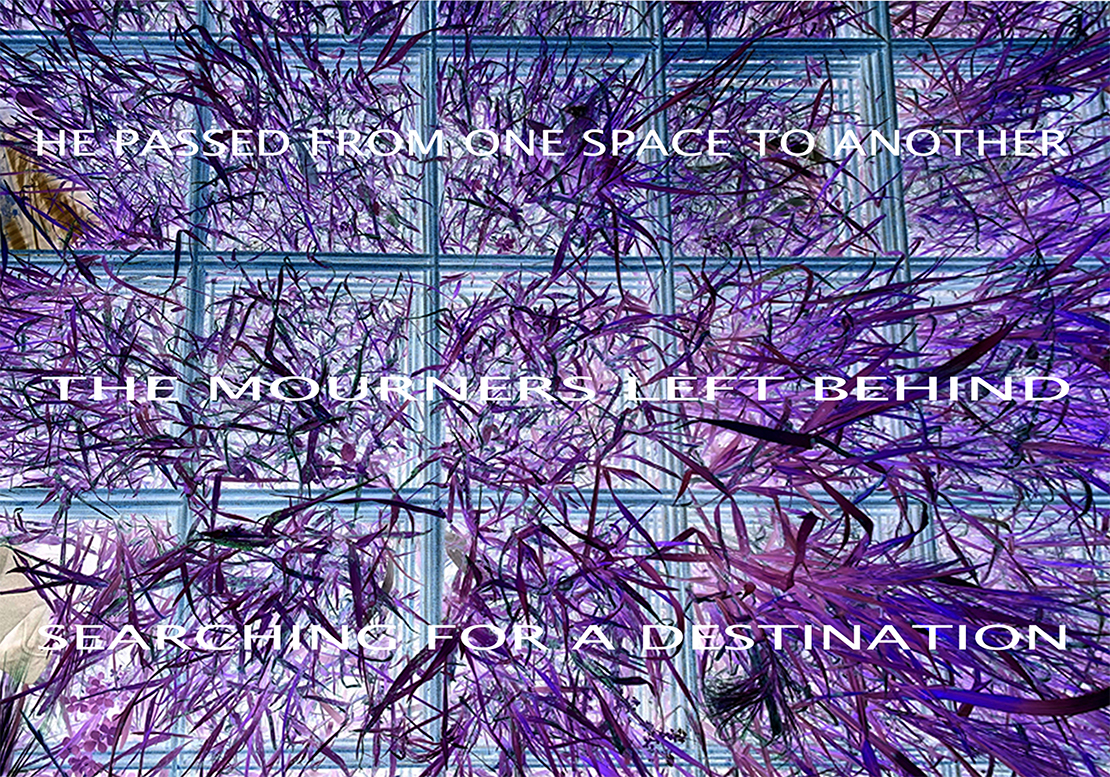
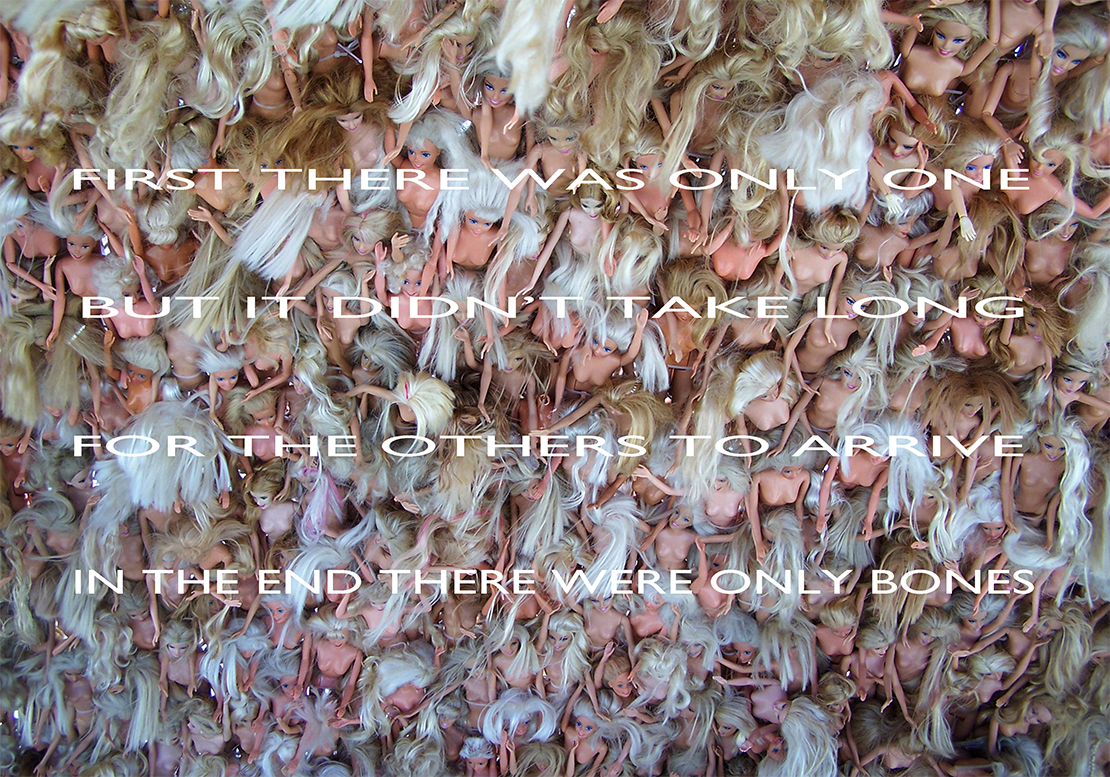
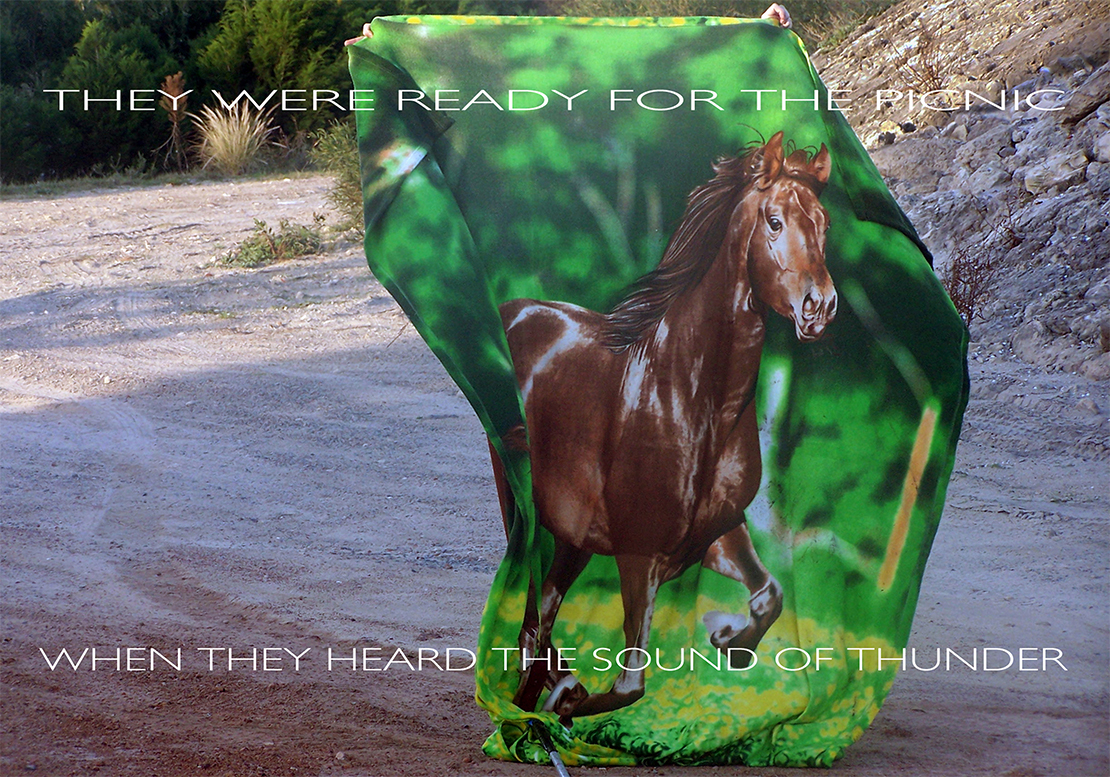
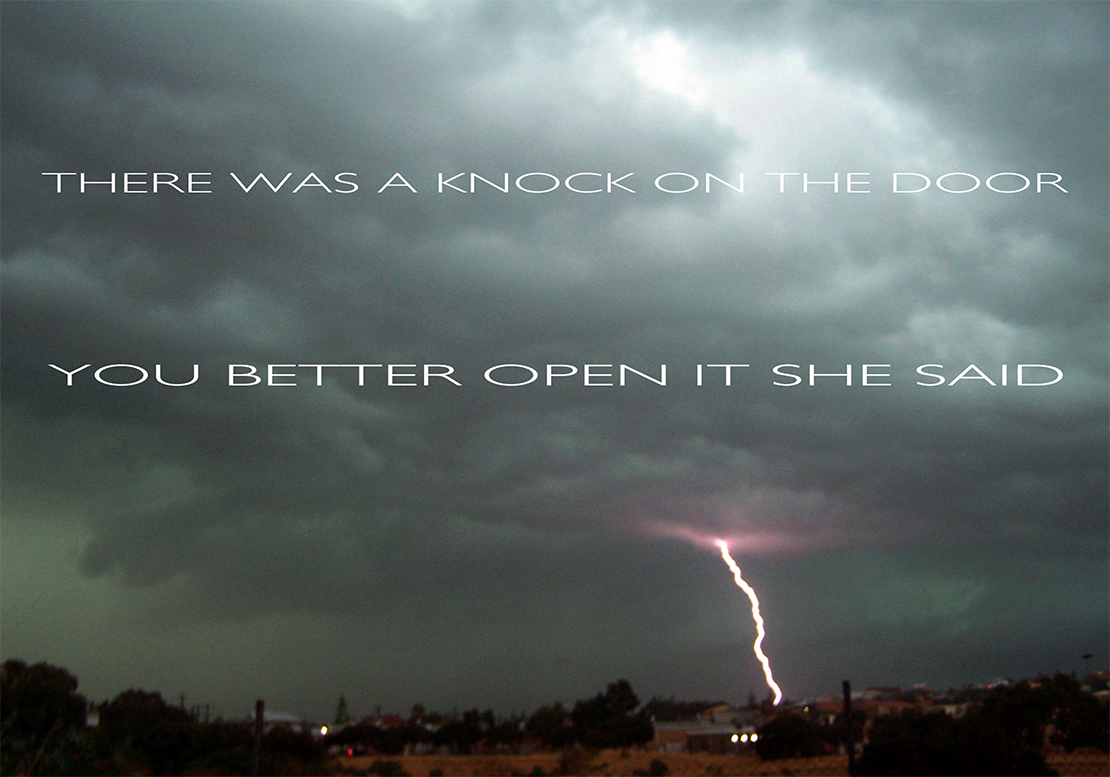
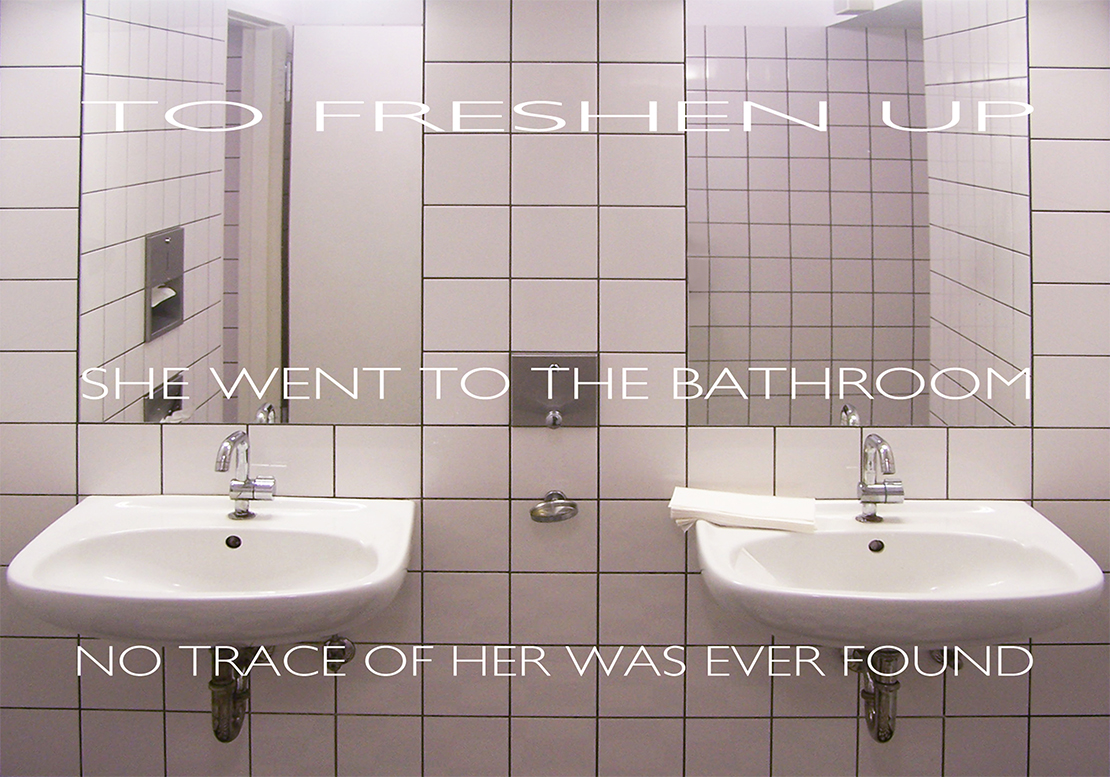
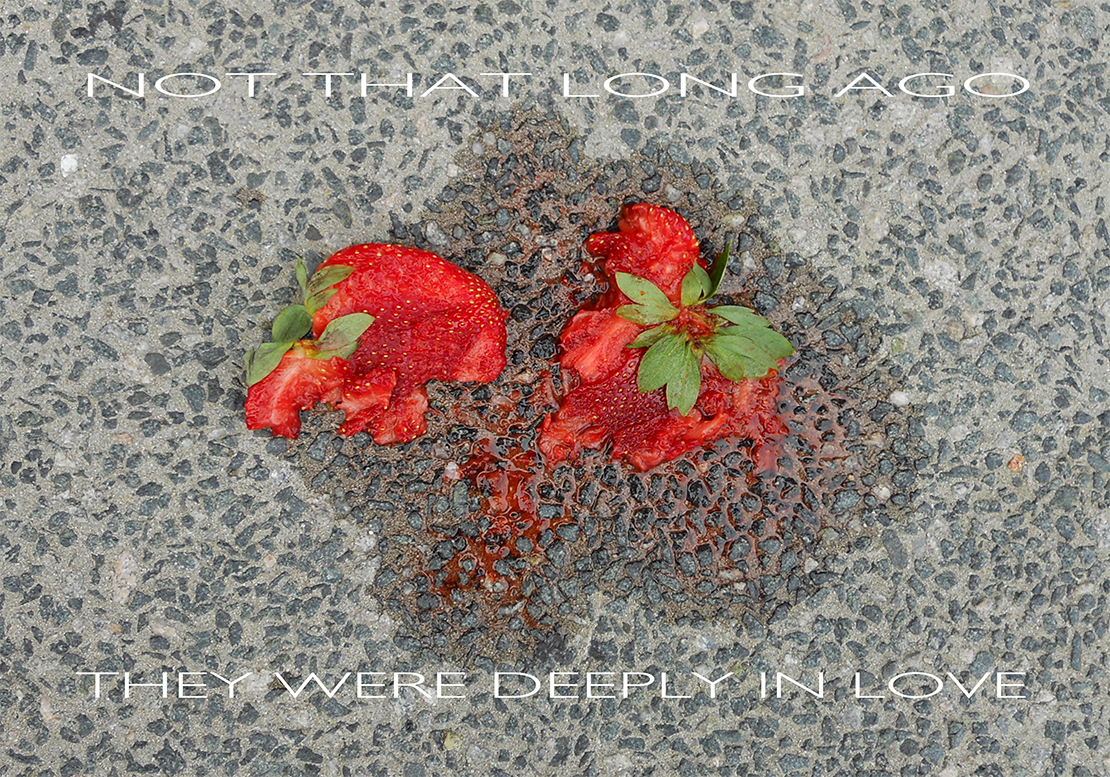
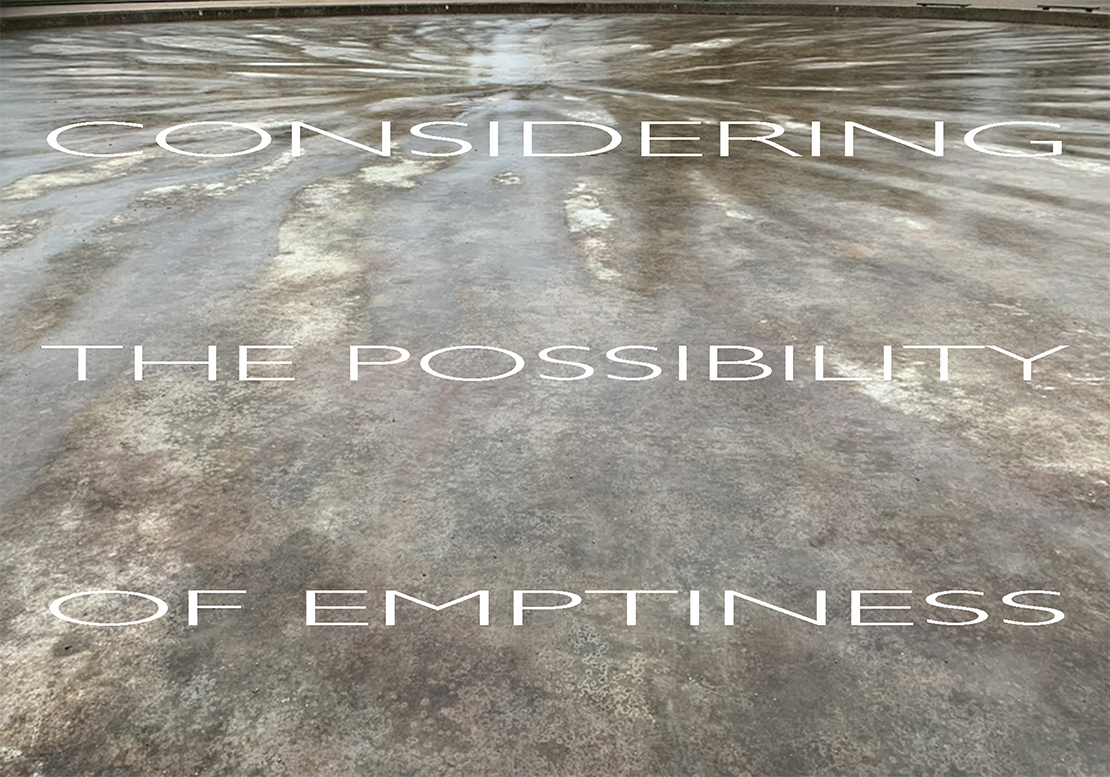
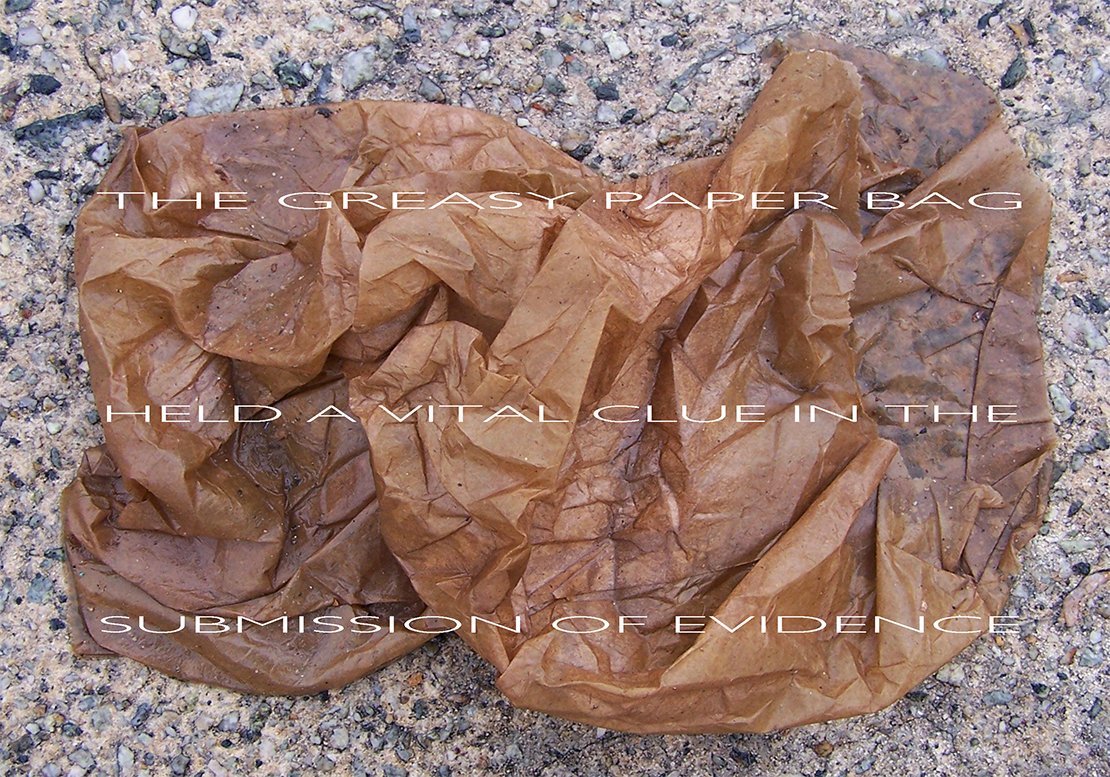
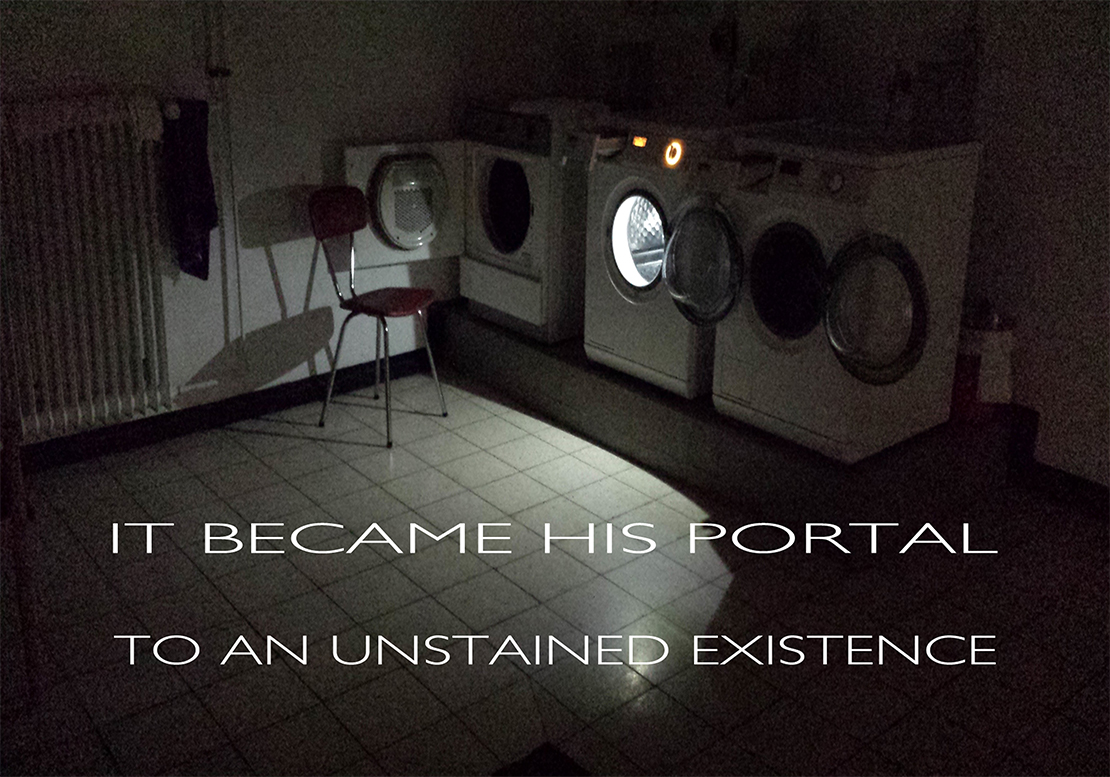
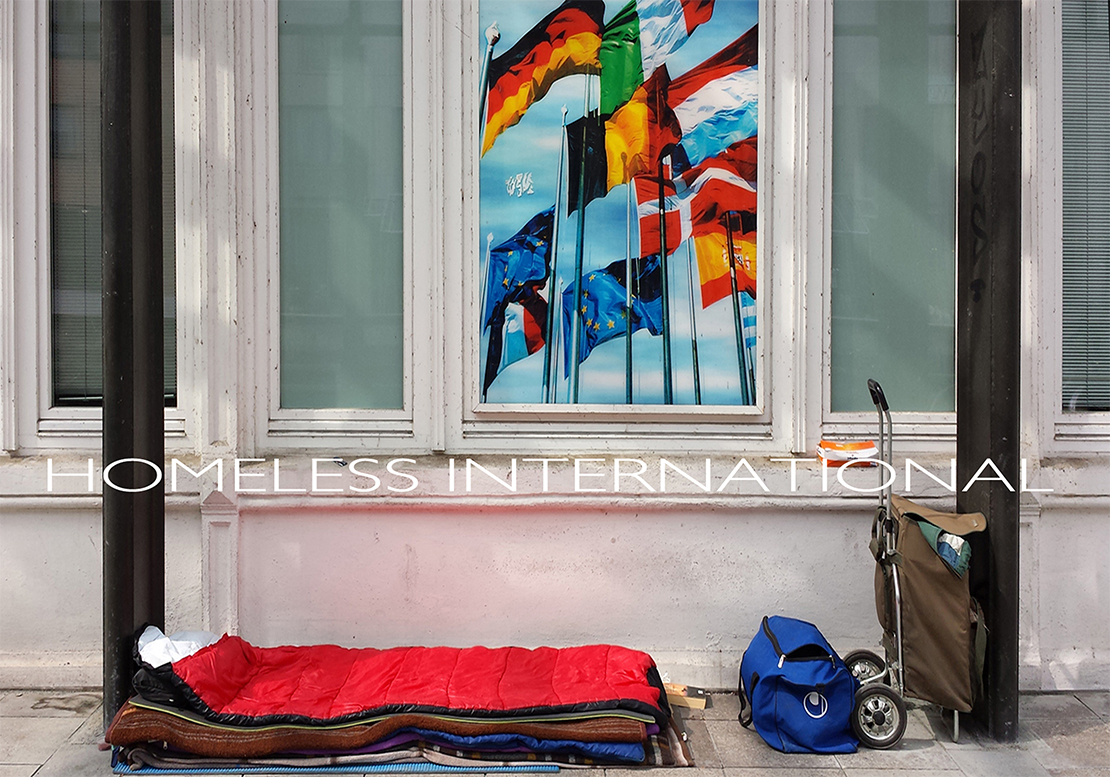
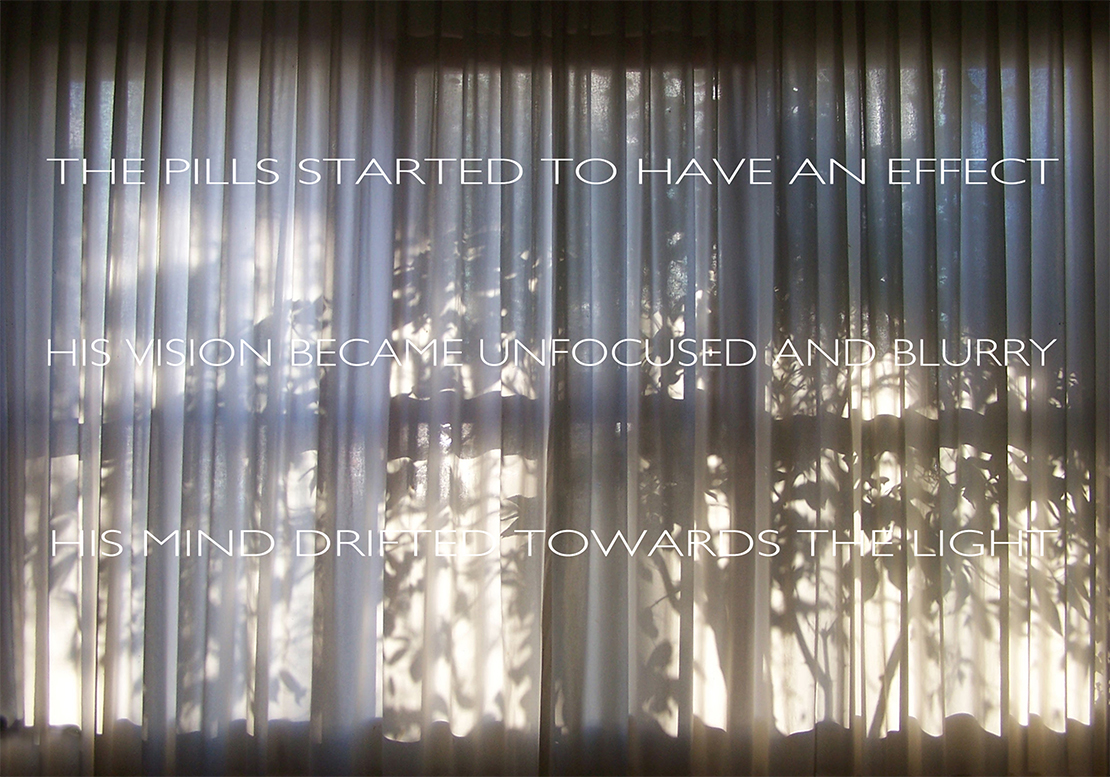
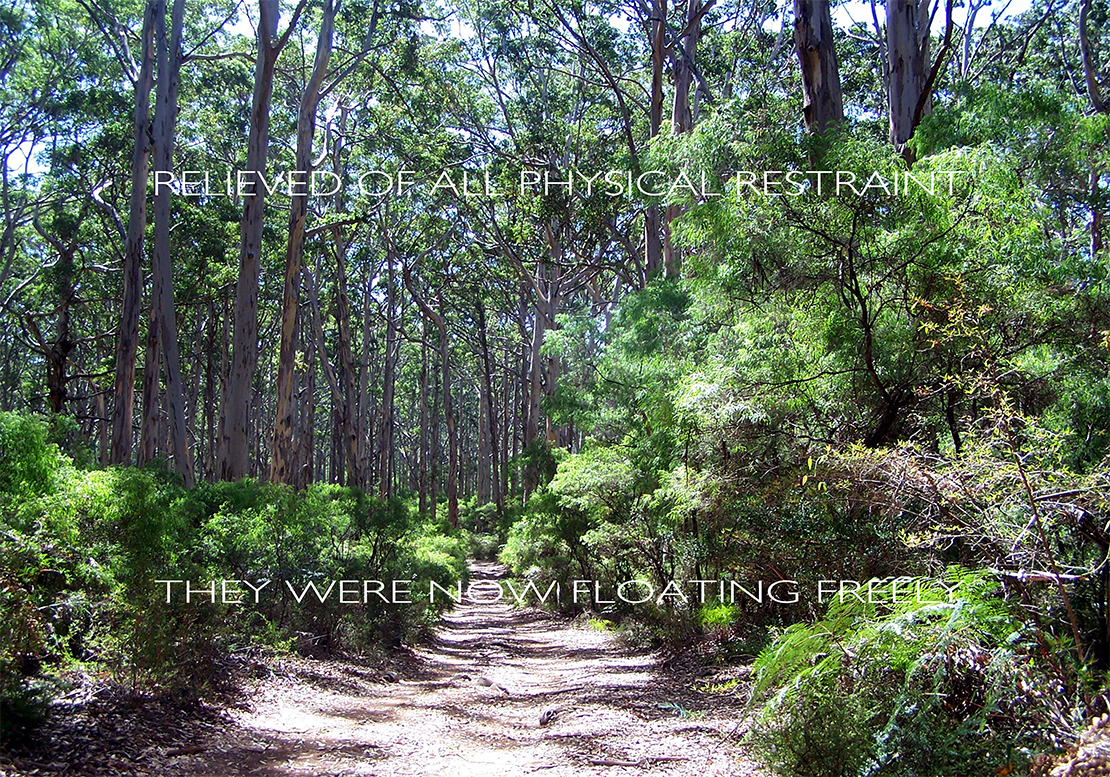
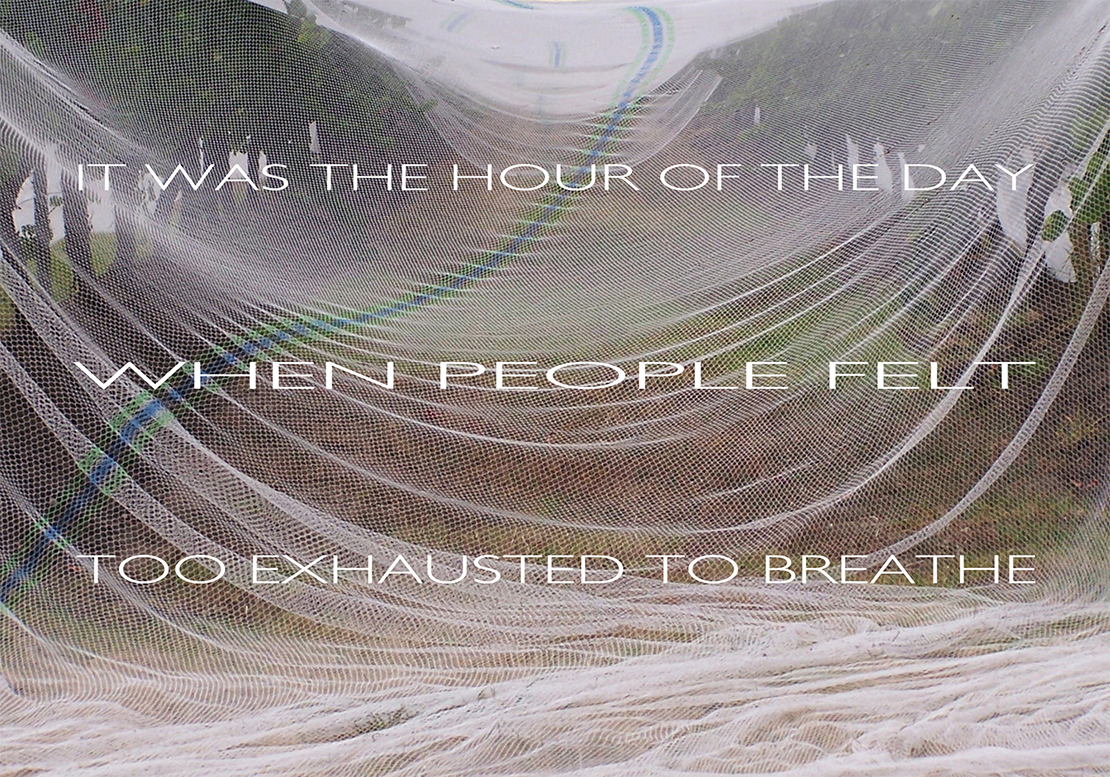
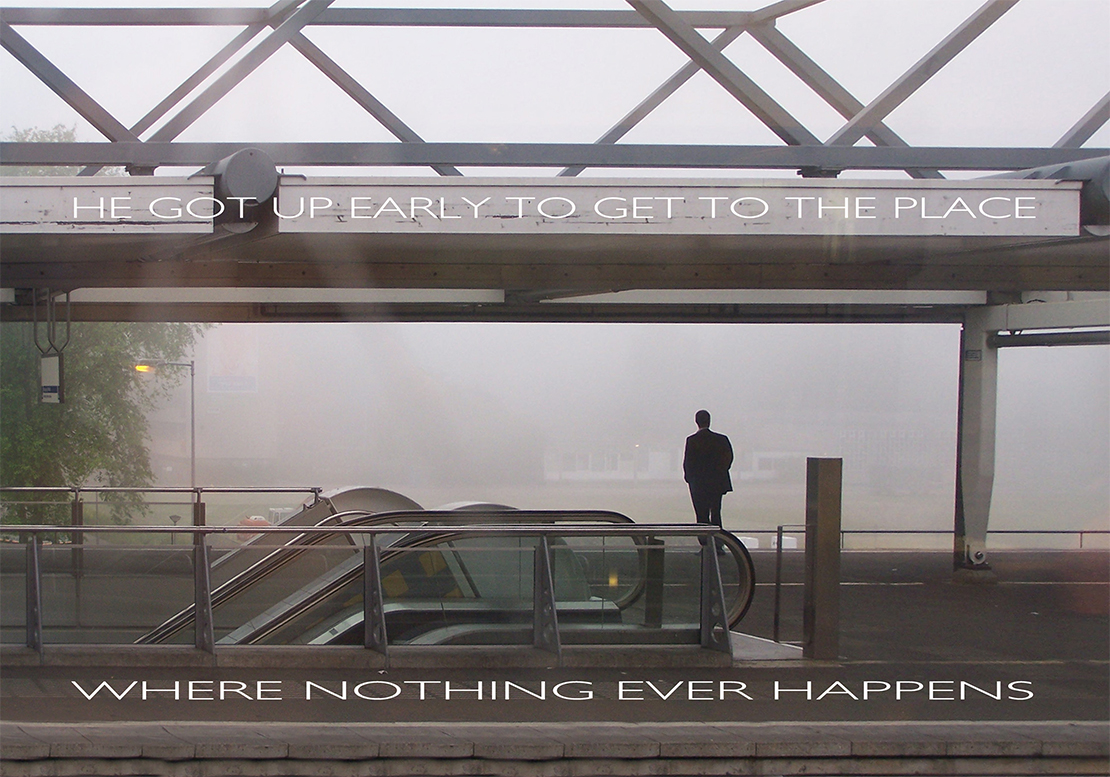
I had accumulated pages of these short verses when I looked at some of my recent photographs. I began to wonder what these words would do to the photographs and how the photographs could in turn alter the meaning of the words. Once I made this connection the process became reciprocal. The texts were tested with different photographs creating various results and some of the photographs inspired new lines of text.
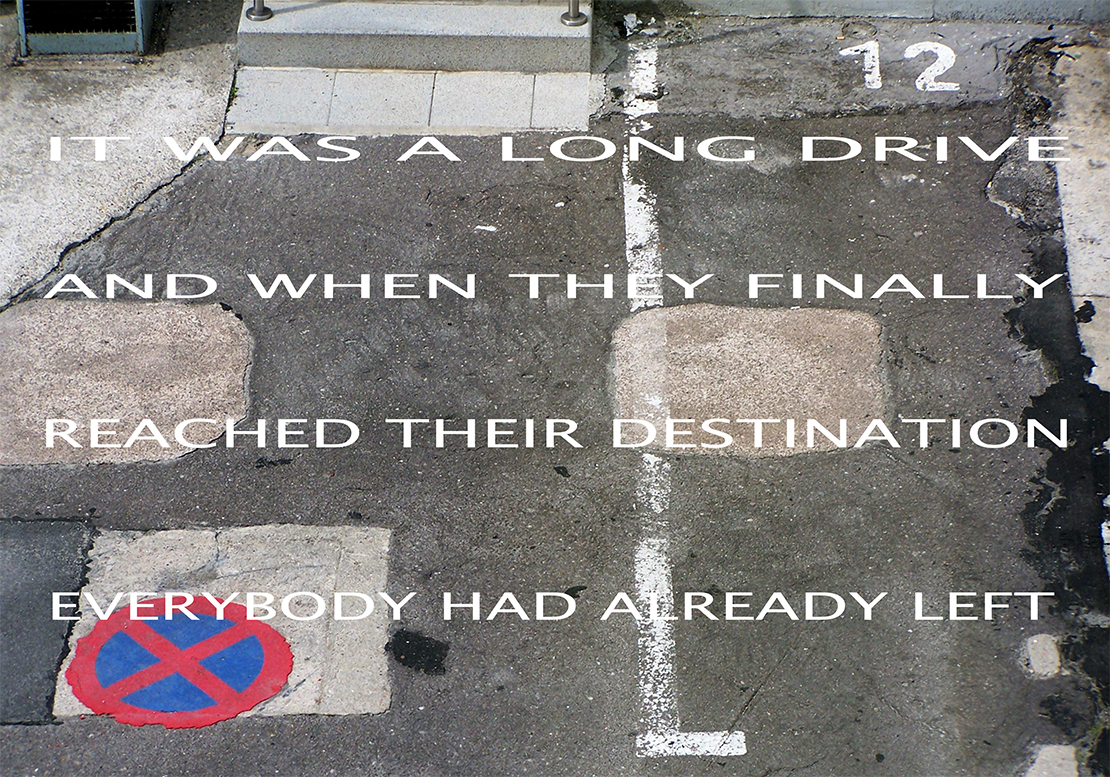
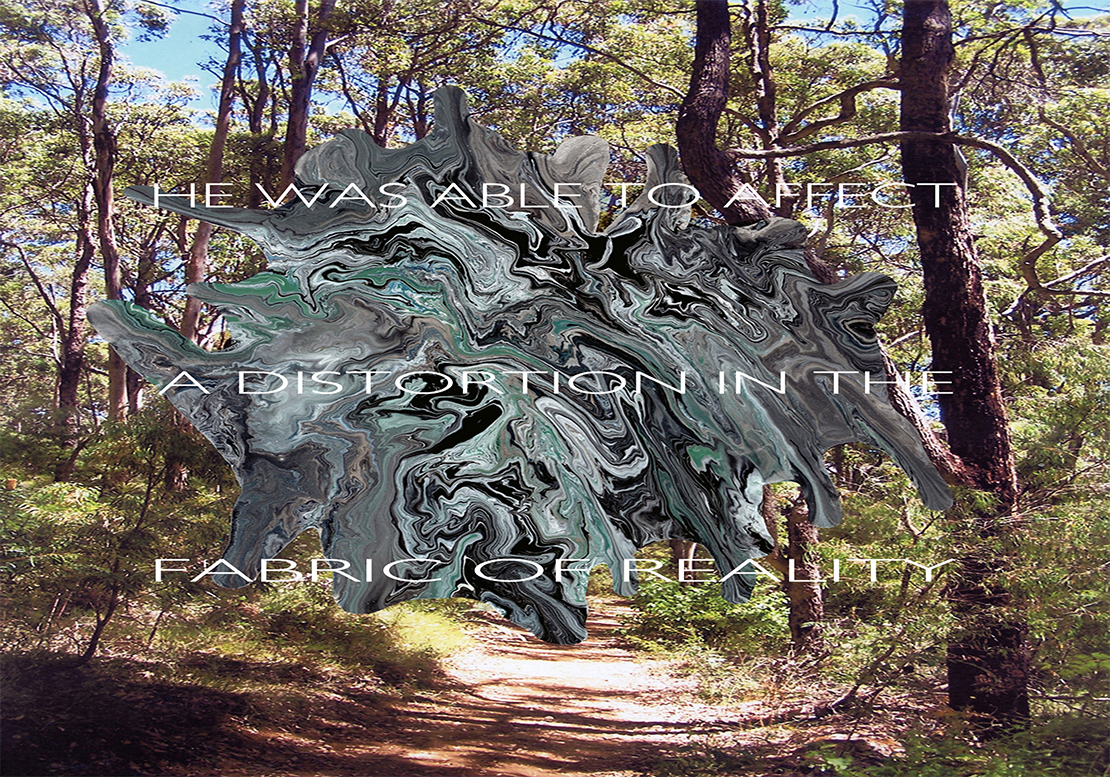
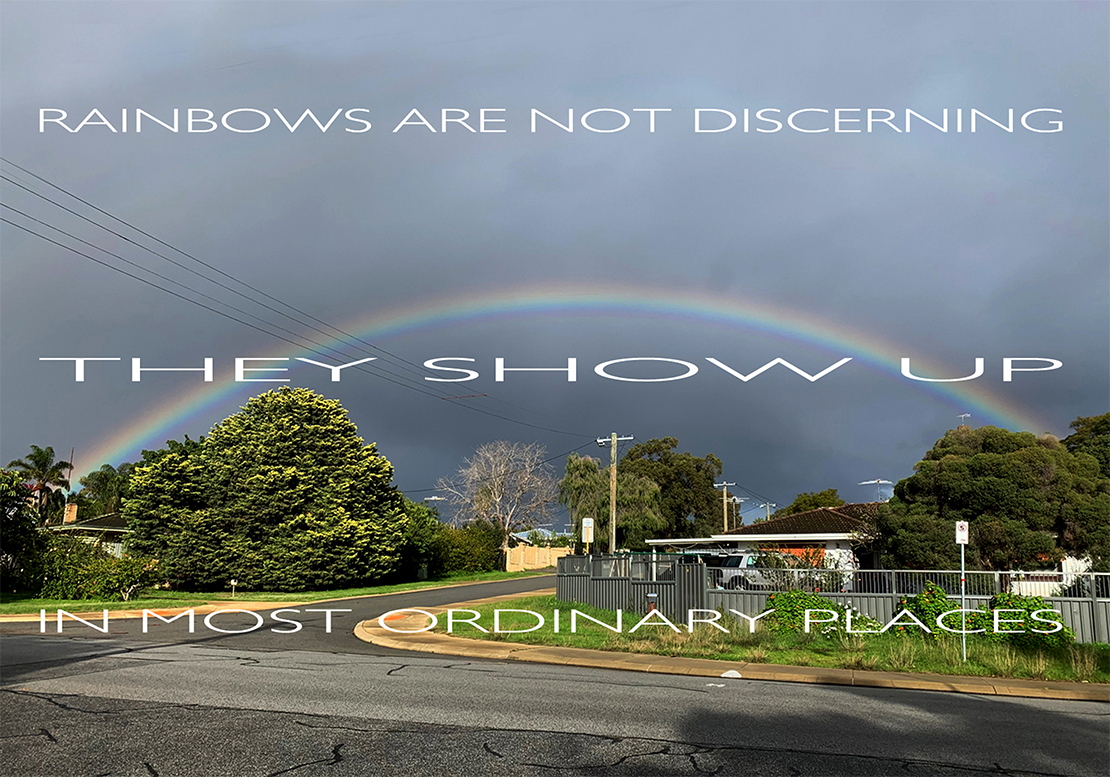
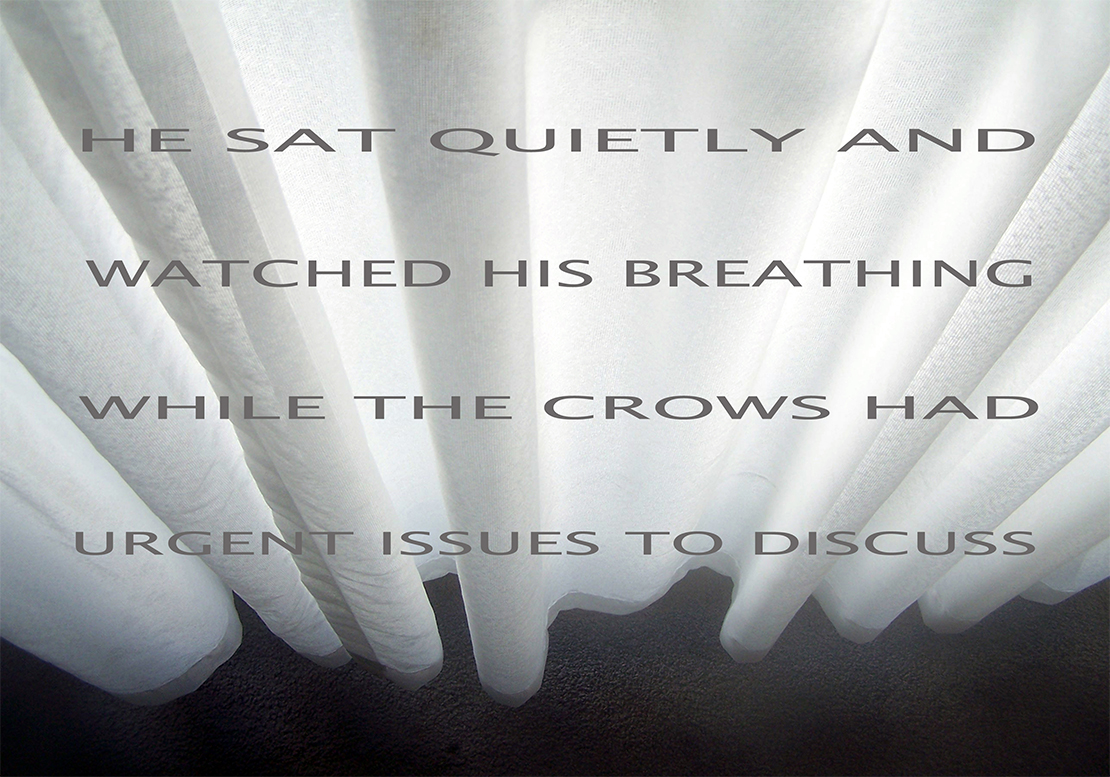
In the domain of print media, photographs are usually accompanied by captions. Their purpose is to explain the image, to clarify what we are seeing and to inform the viewer of the specifics of the photograph. In catalogues the captions provide detailed information about the objects, such as size, medium and year of production. They act as descriptors for the content the images conveys.
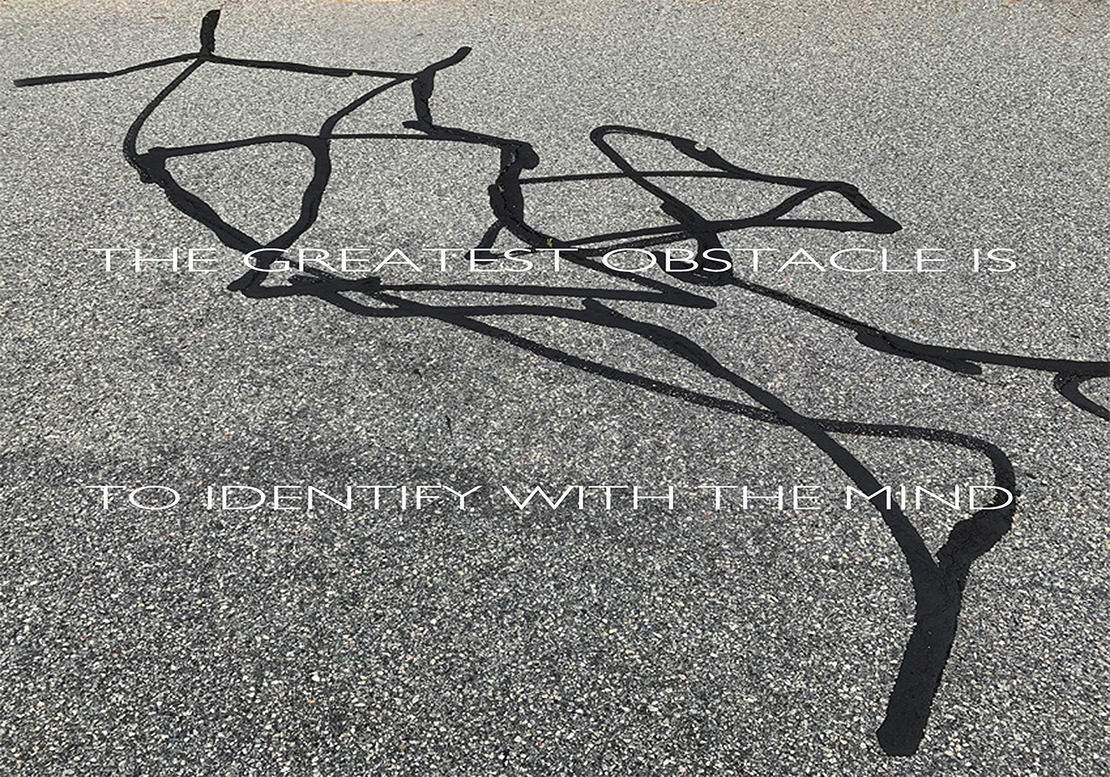
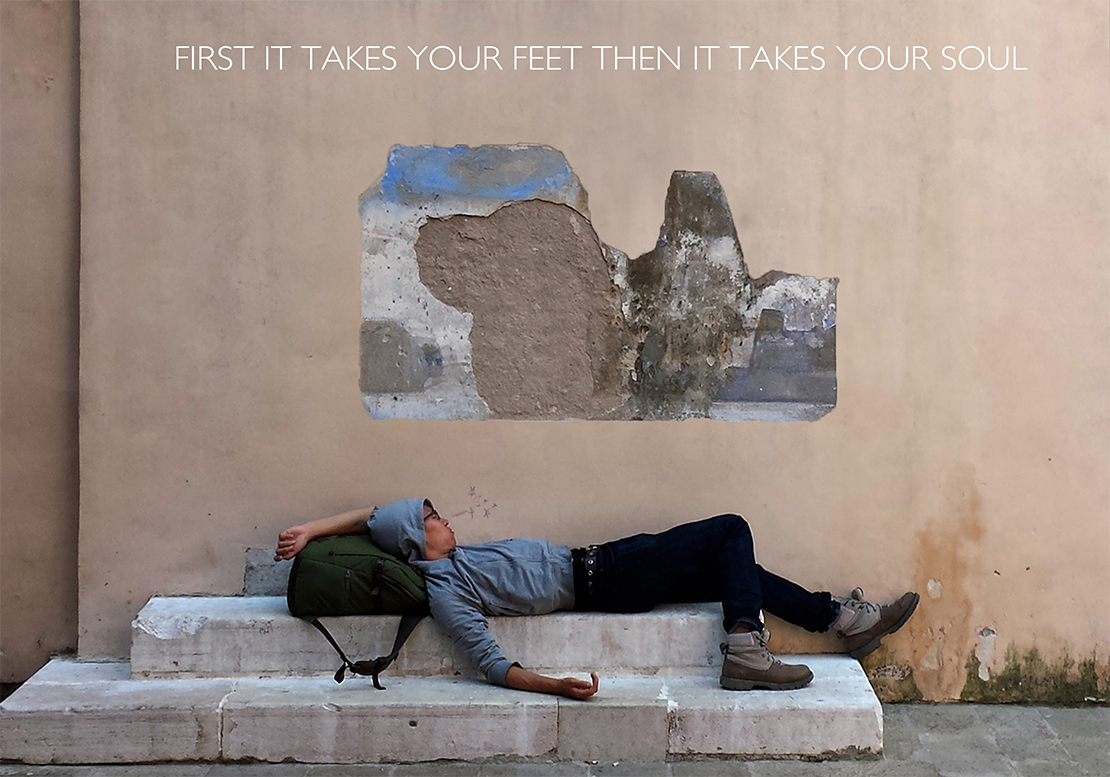
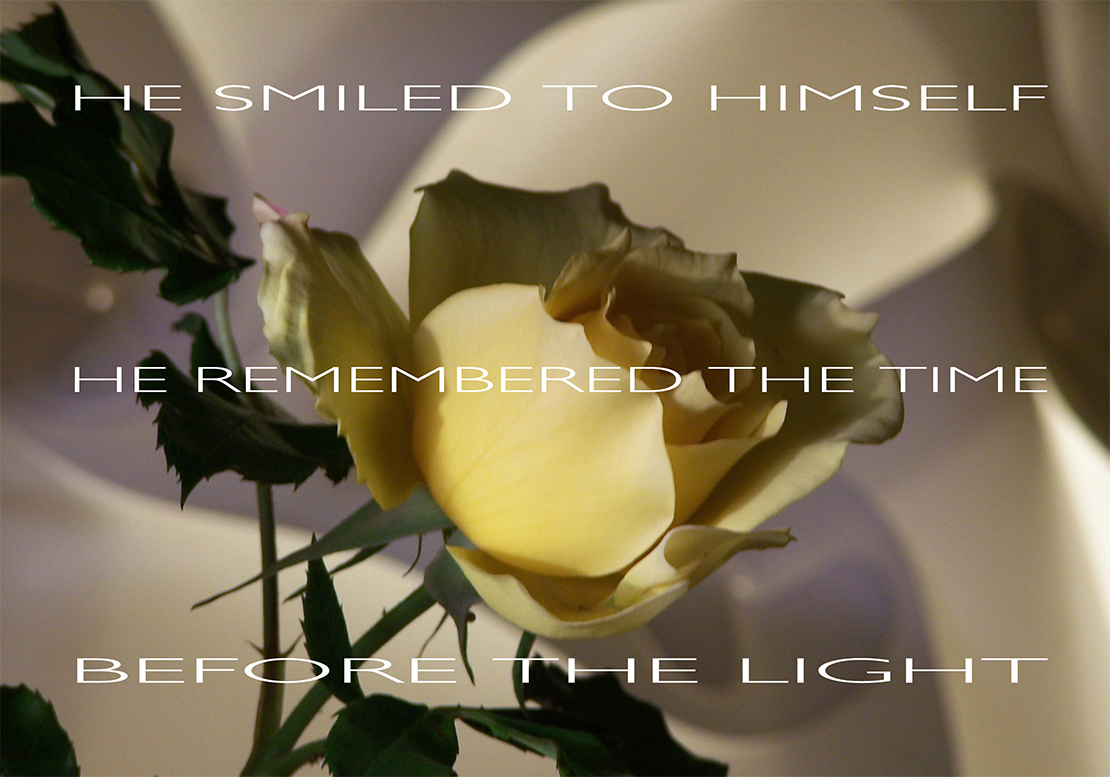
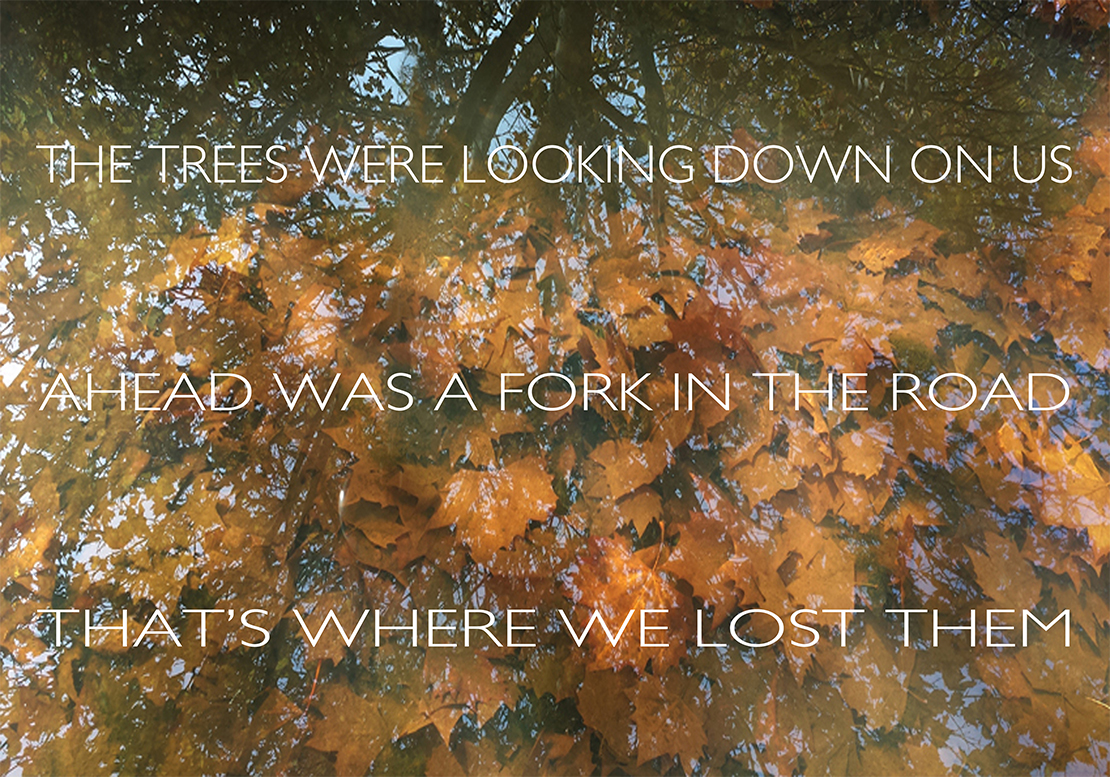
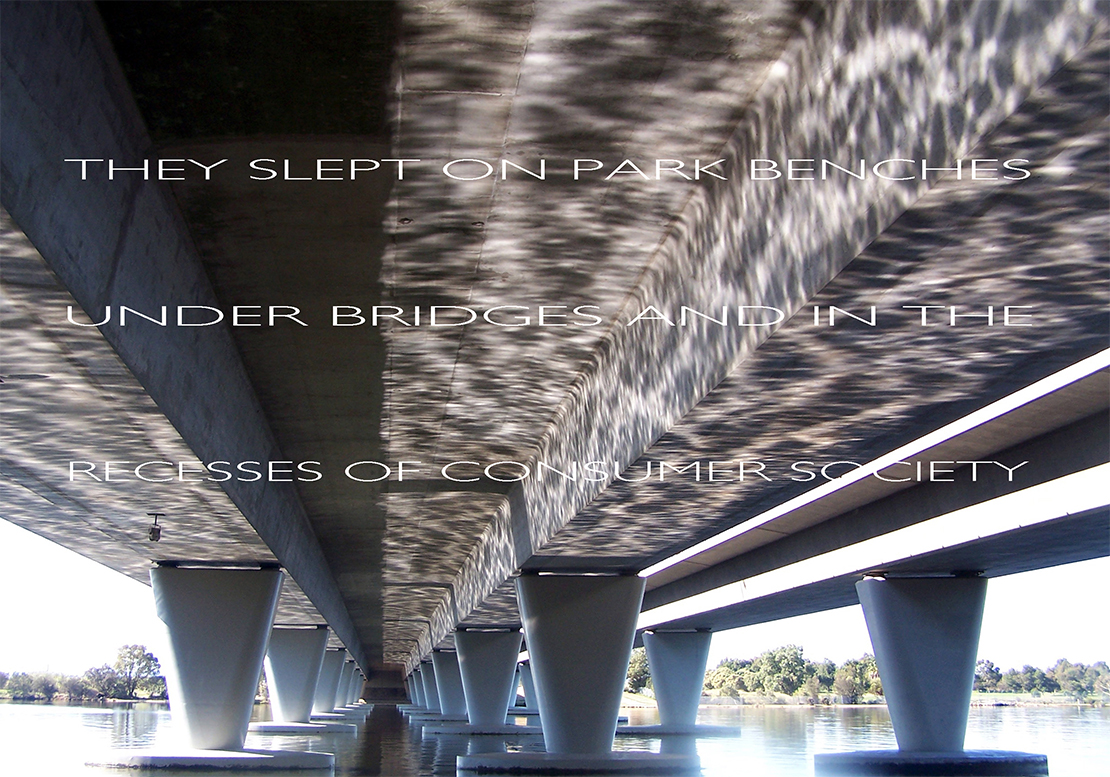
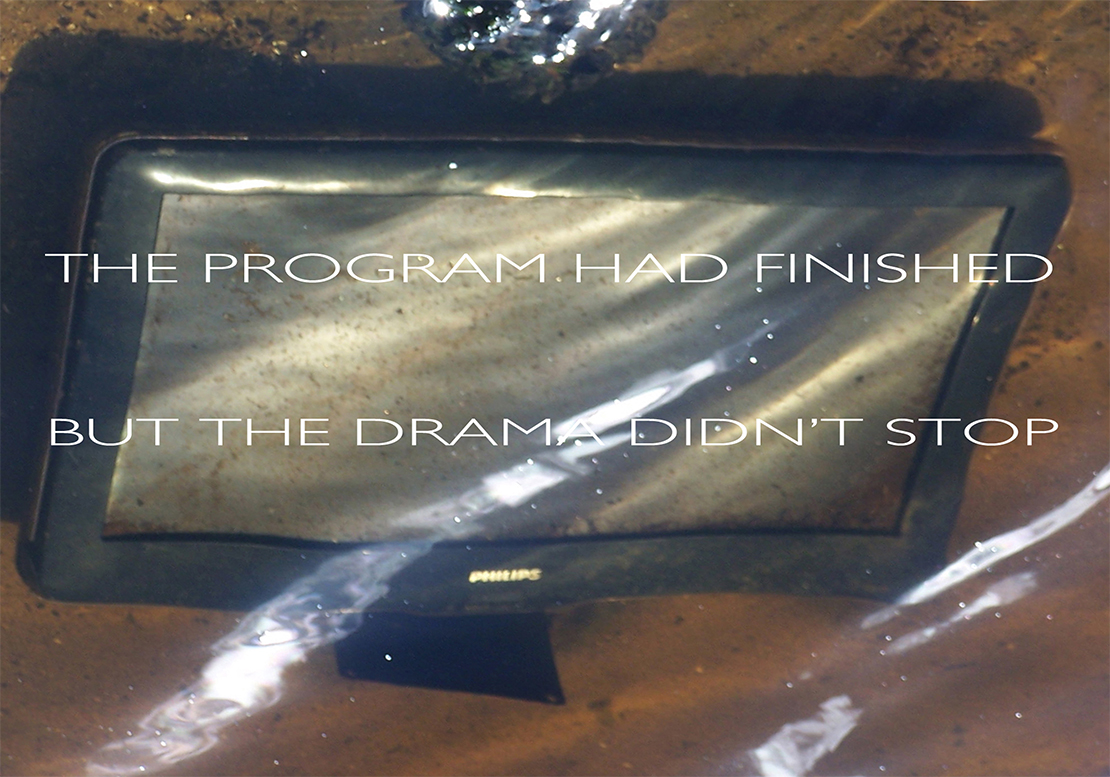
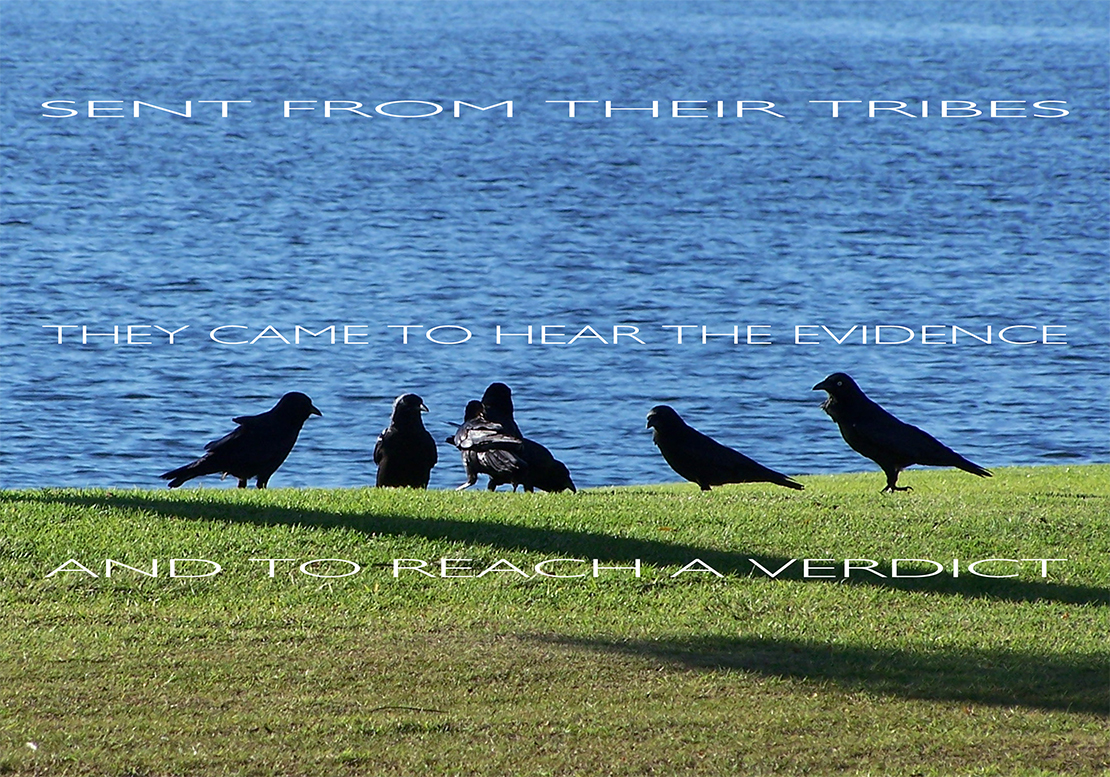
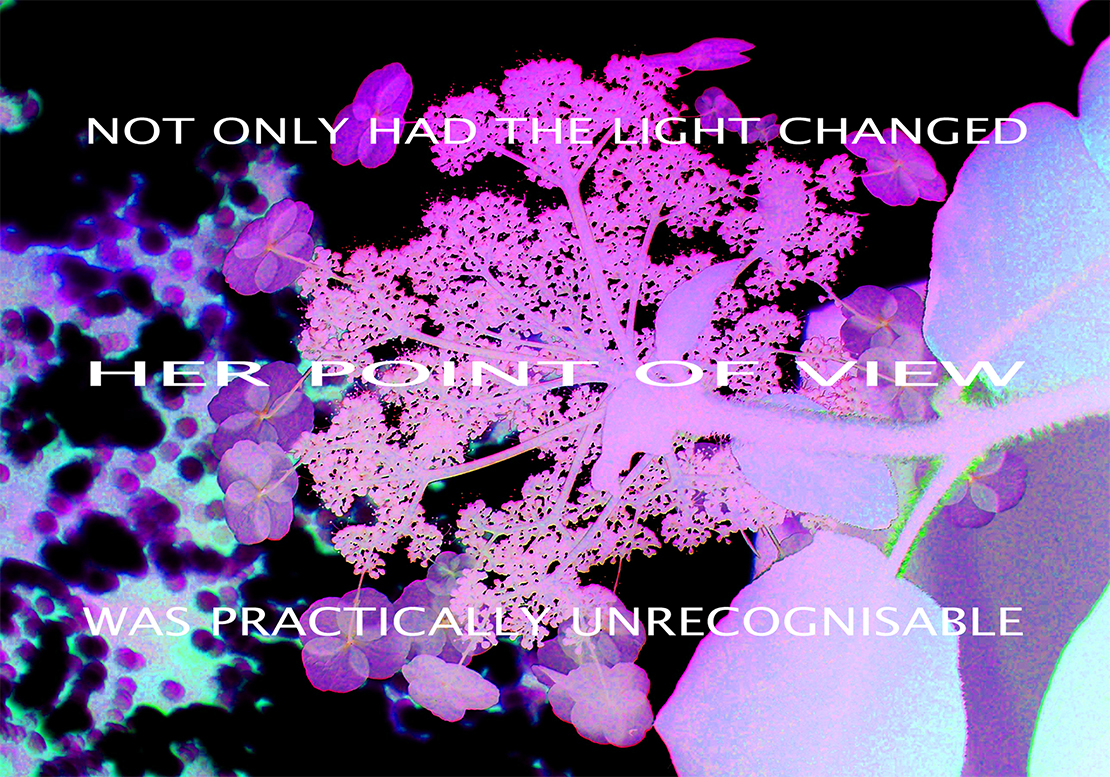
In this publication, the captions are not separate; they are integral to the image. They neither illustrate nor explain. Rather they explore a parallel tale that the photographs by themselves do not provide. Text and image together function almost like a short film, a scene from a movie that stimulates a continued narrative. These “film-stills” are one-picture movies that have the capacity to reverberate for an extended period in the mind of the viewer.