Concrete Art at Five Walls Gallery
Language is a cruel sorter, especially when attached to physical artworks. Impressionism and Cubism were never about impressions or cubes. Deconstruction, in the visual arts, was counter-intuitively never about taking things apart, as its name implies, but as was revealed dynamically at the 1987 documenta 8 in Kassel, in the words of committee member Lothar Romain as being about bringing construction-elements together, often everyday household objects , in a surreal way: “These construction elements are experienced to have no significance at all and have lost their original meaning.”
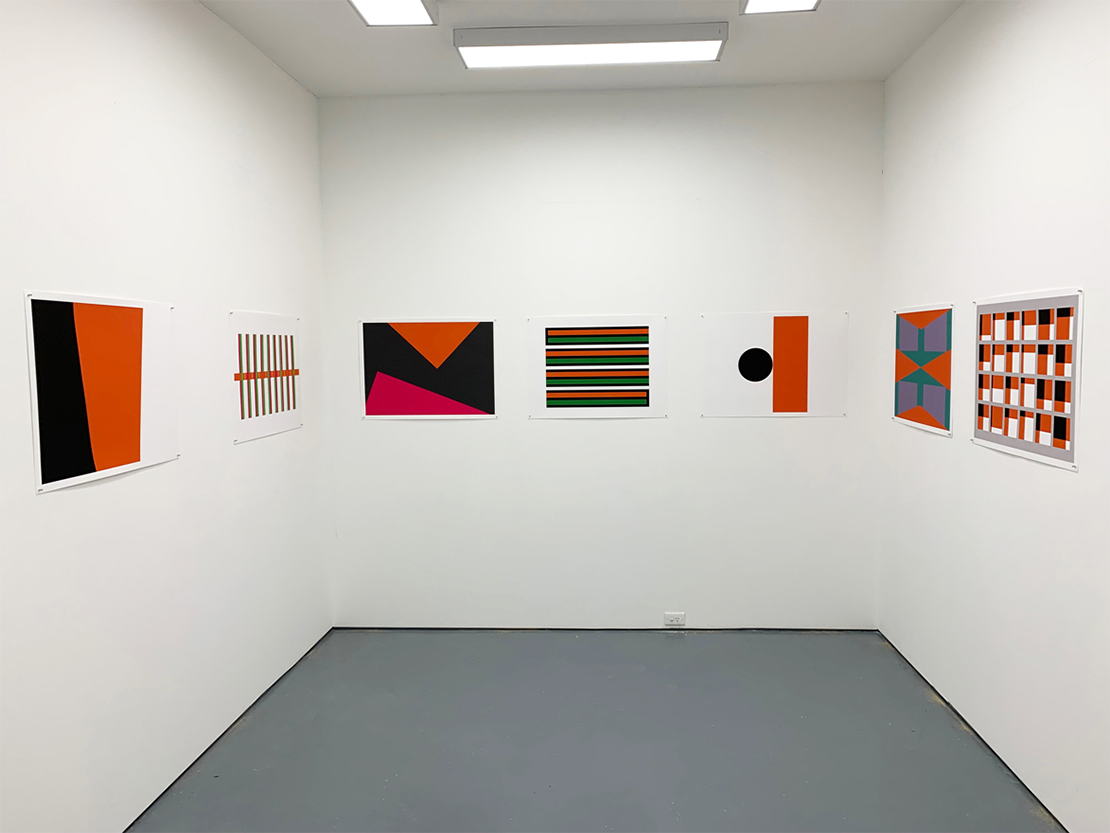
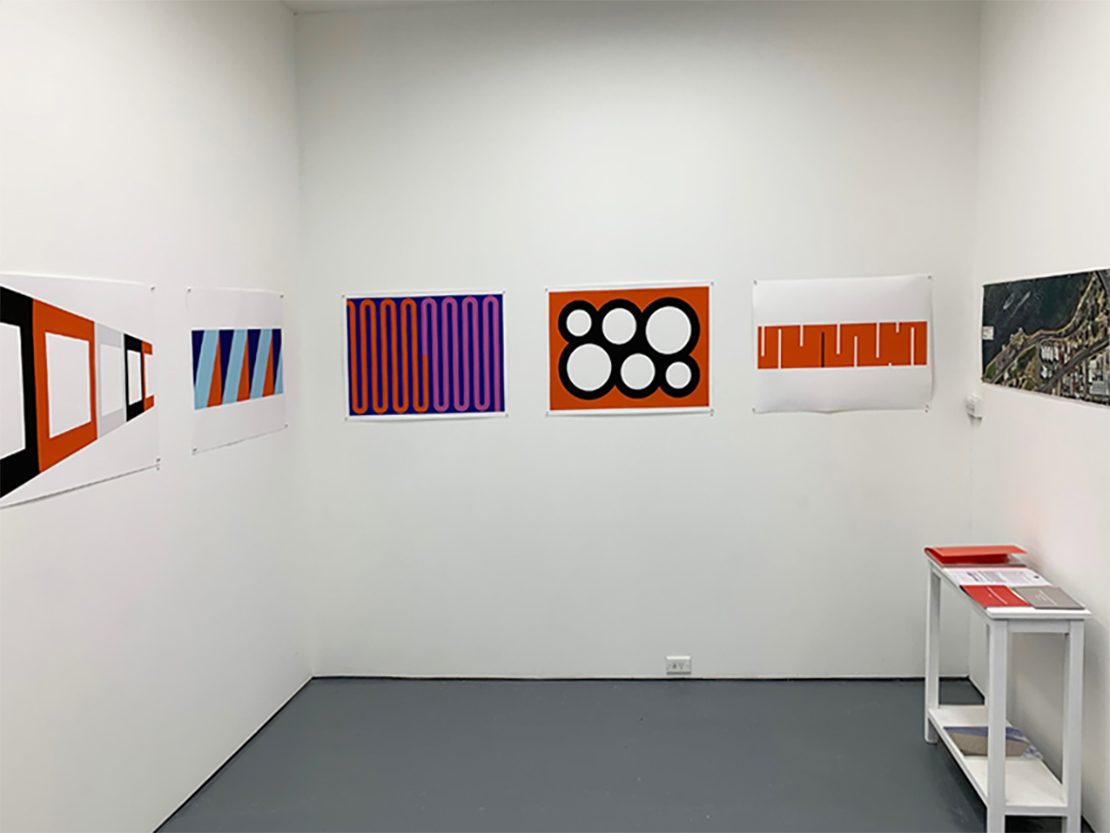
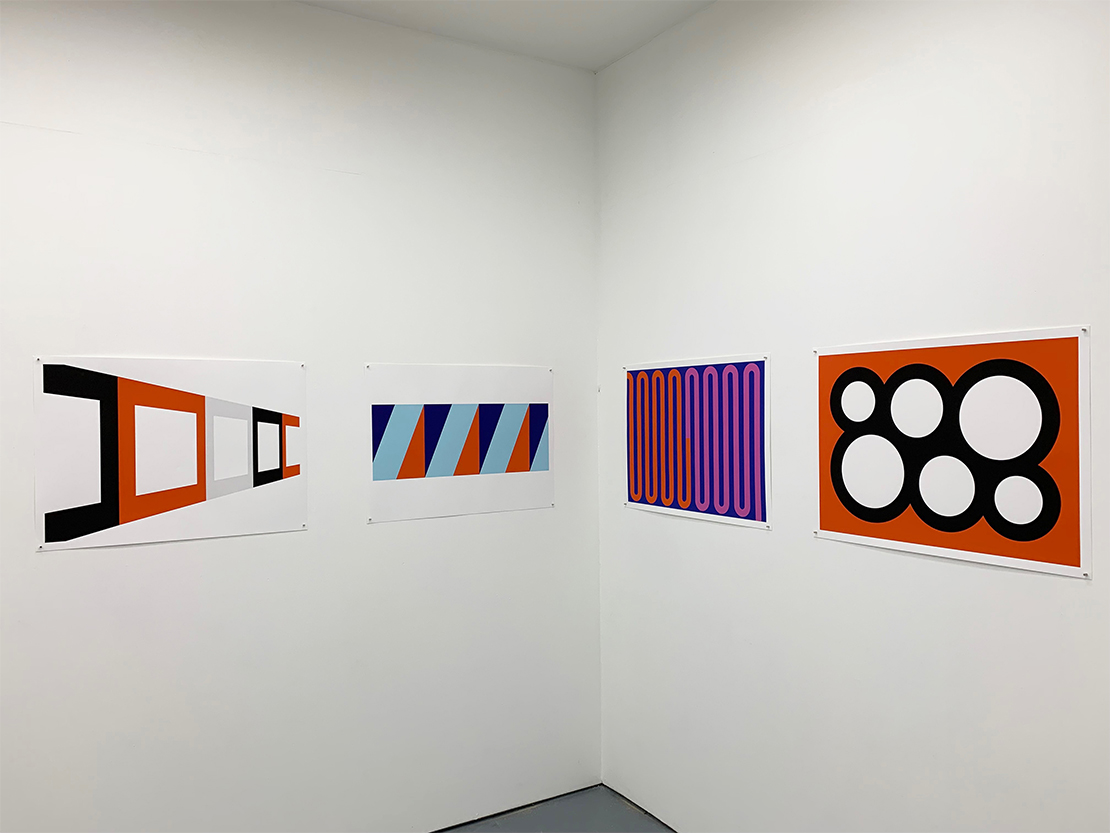
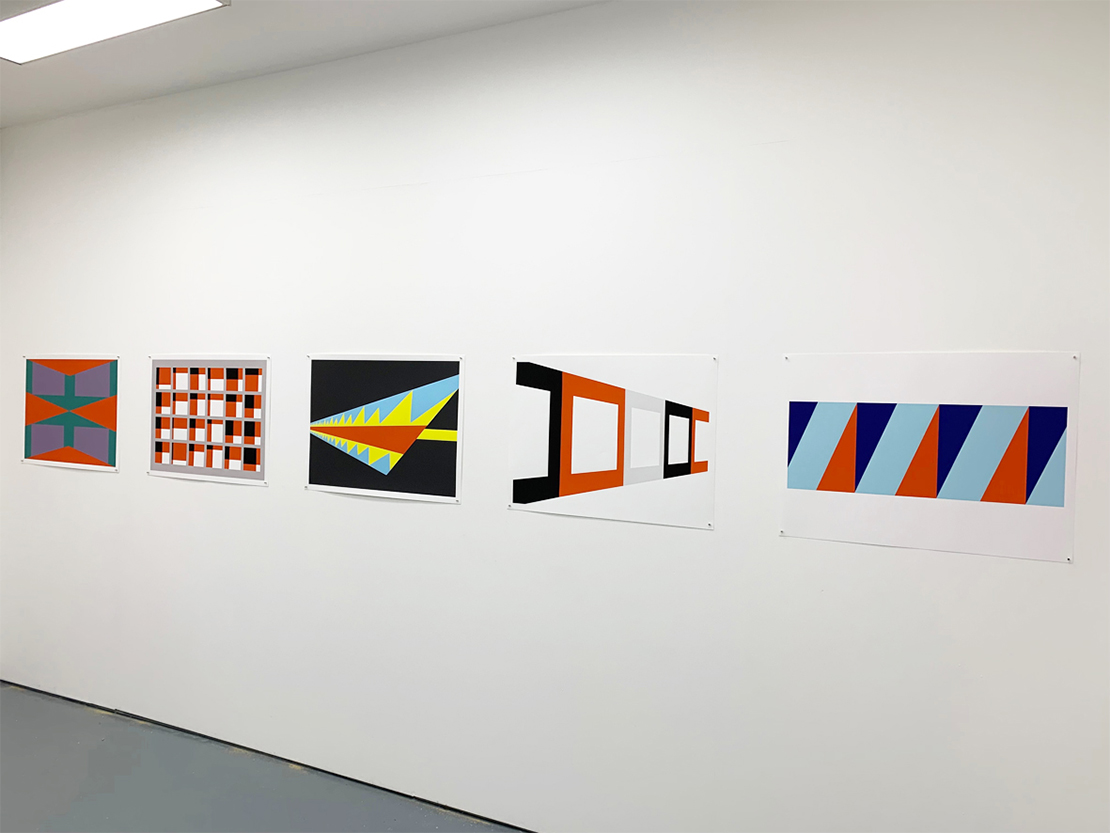
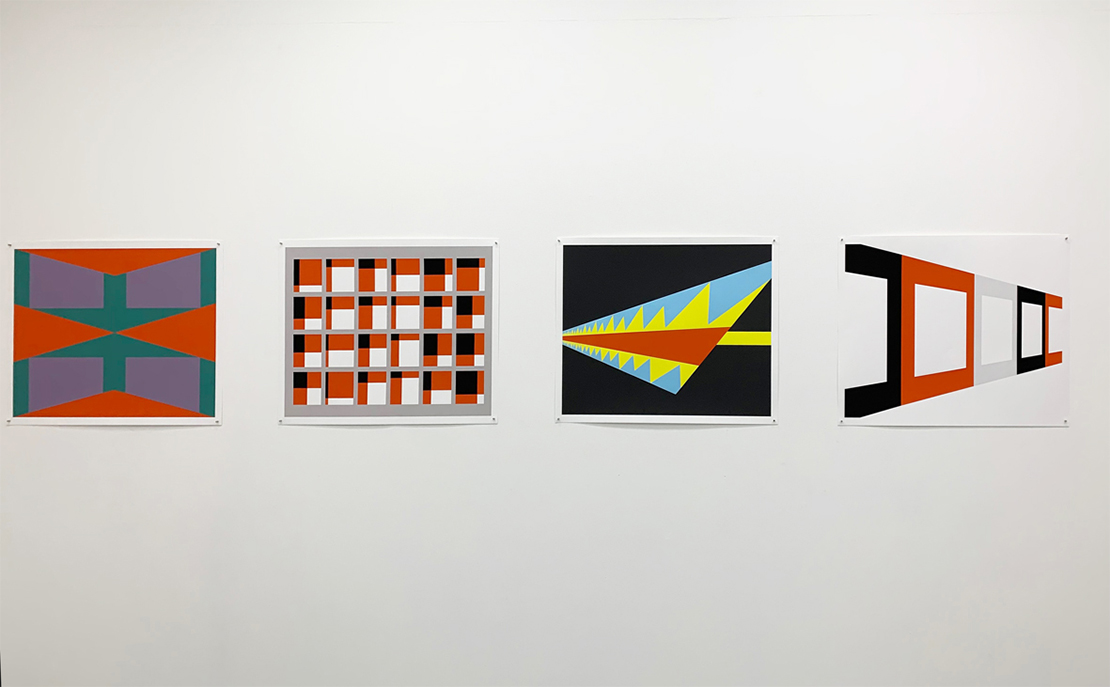
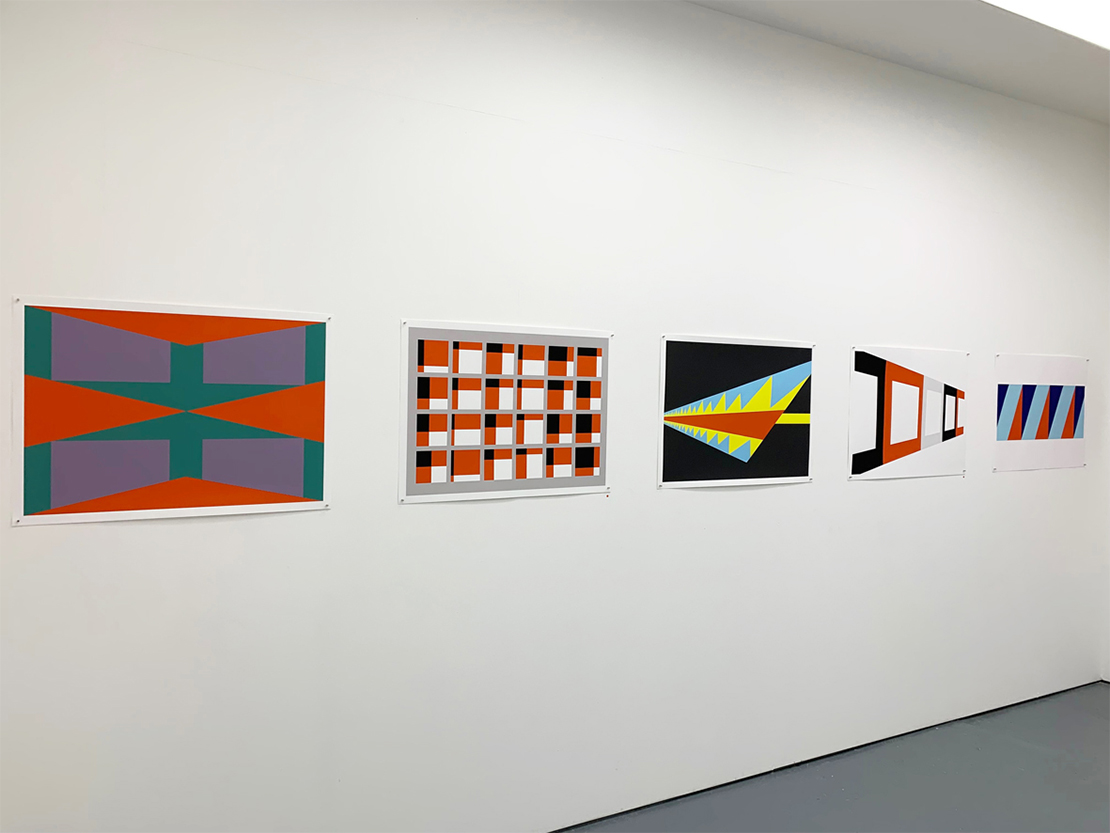
A wonderful exhibition of “Concrete Art” at the always exciting Five Walls Gallery in Footscray, one of Australia’s most multi-cultural suburbs, raises just as many questions as answers as do the linguistic knot-tying examples offered above. My starting point is that this important exhibition is both a visual and a cerebral experience. It is intellectual in a very physical way. It is also playful. And true to the Five Walls philosophy, it showcases local, national, and international artists under the umbrella of “Australian Centre for Concrete Art (AC4CA)”.
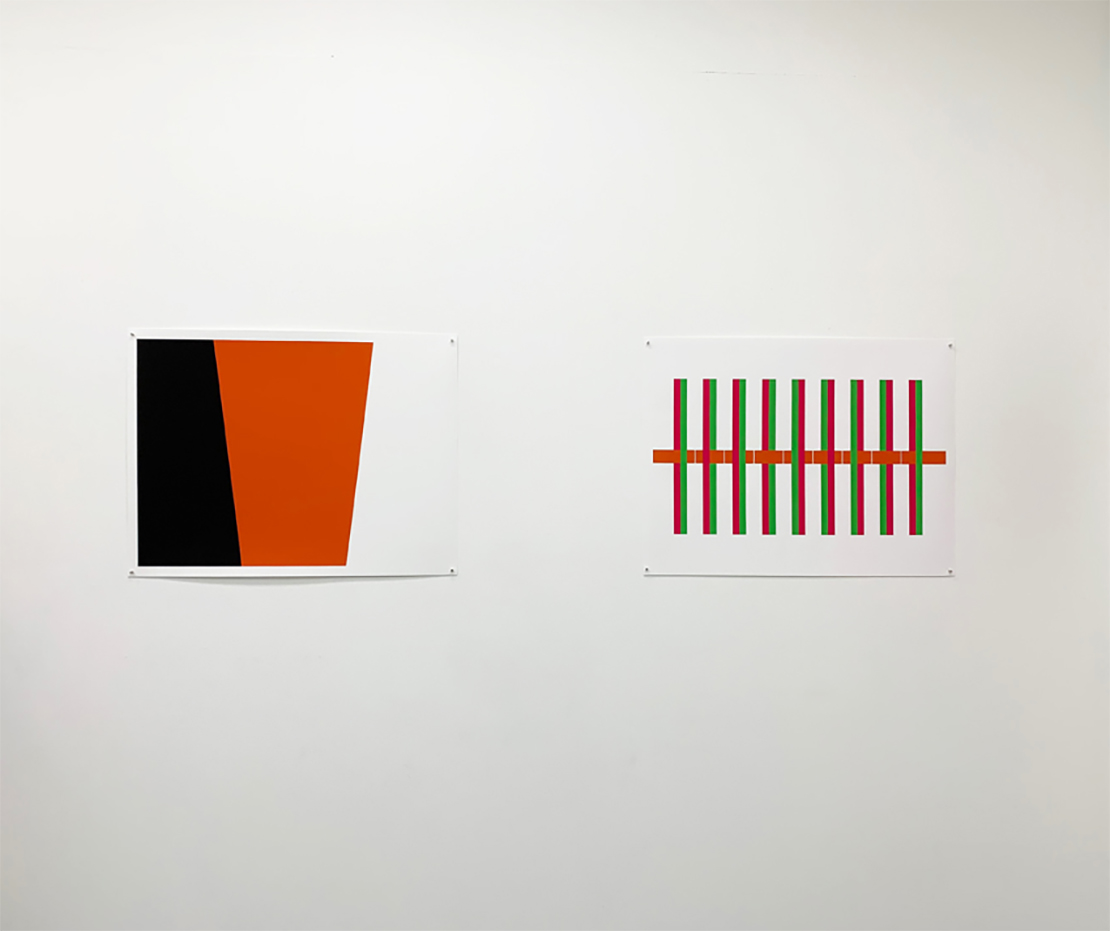
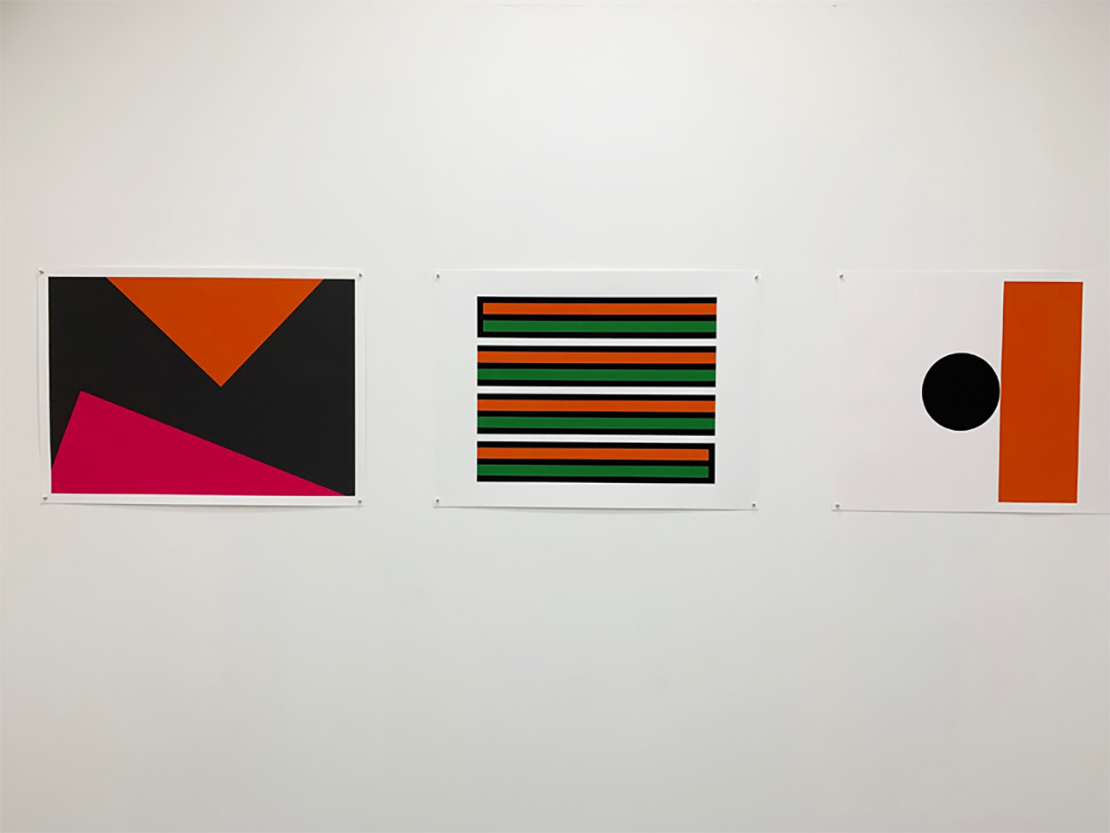
Over the years, AC4CA has had physical manifestations in Switzerland, France, Sydney, and many other destinations, now including Footscray. Sometimes this in the form of epic Wall Projects, sometimes print portfolios, at other times, as with the recent Five Walls show, group exhibitions based around The Orange Path print portfolio. Those name-checked in the exhibition notes as contributors to The Orange Path includes: Alex Spremberg (WA), George Howlett (WA), Jeremy Kirwan-Ward (NSW), Zora Kreuzer (Germany), Andrew Leslie (NSW), Guillaume Builley (France), Julian Goddard (VIC), Daniel Gotten (Switzerland), Helen Smith (NSW), Jurek Wybraniec (WA), David Tremlett (UK), Jan van der Ploeg (Netherlands), and Trevor Richards (WA).
The print portfolio screams out its geometries and calms itself down with both contrasting and complementary colours, while allowing for a few playful cartwheels around the gallery walls. Collectively, it had me hopping around the gallery in dumb excitement, my highest form of both praise and audience engagement.
For those unfamiliar with the phenomenon of Concrete Art and its global resonance, the Footscray exhibition is a taster-plate by way of introduction. I look forward to larger visual banquets in future manifestations.
AC4CA was founded in 2001 by artist, gallerist, and academic Julian Goddard and a group of clear-eyed artists living and practicing in Fremantle, Western Australia. Since then, it has grown first to national importance and then to world significance in terms of its membership and the many local-to-global projects it has generated. A substantial publication One Place After Another: AC4CA was produced in 2014 to mark the landmark exhibition at PICA (Perth Institute of Contemporary Art).
Within it, in a brilliant essay on the broad topic of Concrete Art, Hubert Besacier writes, “If the term ‘concrete Art’ first appears in the writings of Theo van Doesburg in 1930, it’s because abstract painting has remained unclear and plural.” He then quotes Van Doesburg. “The painting must be built entirely with purely plastic elements, that is planes and colours. A pictorial element has no other meaning than ITSELF. Therefore, the image has no meaning other than ITSELF.” Writing in the introductory essay, Goddard is more brutal and more playful in his definition, “Concrete Art has nothing to say at all. Like an act of deliberate dumbness – it admonishes the seduction of meaning.”
I can’t praise the PICA publication enough as a guide to what is not only one of Australia’s great art movements and collaborative projects, but one of the world’s. The late, great John Nixon appears in many of the group photographs, and many who love his work will feel an affinity with the group’s ever-expanding aesthetic.
I will leave you however with the six-word subtitle to Hubert Besacier’s essay on Concrete Art: THEOSOPHICAL ARITHMETIC SYSTEMATIC RHYTHMIC OPTICAL PLAYFUL
Dr Peter Hill
Artist, Writer, and Independent Curator
Enterprise Professor, VCA, University of Melbourne